
 Tìm kiếm
Phần thứ tám Bộ luật Tố tụng hình sự 2015: Hợp tác quốc tế
| Số hiệu: | 101/2015/QH13 | Loại văn bản: | Luật |
| Nơi ban hành: | Thủ tướng Chính phủ | Người ký: | Nguyễn Sinh Hùng |
| Ngày ban hành: | 27/11/2015 | Ngày hiệu lực: | 01/01/2018 |
| Ngày công báo: | 31/12/2015 | Số công báo: | Từ số 1271 đến số 1272 |
| Lĩnh vực: | Trách nhiệm hình sự, Thủ tục Tố tụng | Tình trạng: | Còn hiệu lực |
TÓM TẮT VĂN BẢN
Bộ luật tố tụng hình sự 2015 vừa được ban hành ngày 27/11/2015 với nhiều quy định mới về cơ quan tiến hành tố tụng và người tiến hành tố tụng hình sự; người tham gia tố tụng HS; bào chữa, bảo về quyền và nghĩa vụ của bị hại, đương sự; biện pháp ngăn chặn, biện pháp cưỡng chế;...
Bộ luật tố tụng hình sự năm 2015 gồm 9 Phần, 36 Chương, 510 Điều (thay vì Bộ luật Tố tụng Hình sự 2003 gồm 8 Phần, 37 Chương, 346 Điều). Bộ luật TTHS 2015 gồm các Phần sau:
- Những quy định chung
- Khởi tố, điều tra vụ án hình sự
- Truy tố
- Xét xử vụ án hình sự
- Một số quy định về thi hành bản án, quyết định của Tòa án
- Xét lại bản án, quyết định đã có hiệu lực pháp luật
- Thủ tục đặc biệt
- Hợp tác quốc tế
- Điều khoản thi hành
Bộ luật tố tụng HS 2015 có một số quy định nổi bật sau:
- Điều 73 về quyền và nghĩa vụ của người bào chữa
Người bào chữa có quyền quy định tại Khoản 1 Điều 73 Bộ luật 101/2015/QH13, trong đó có quyền:
+ Gặp, hỏi người bị buộc tội;
+ Có mặt trong hoạt động đối chất, nhận dạng, nhận biết giọng nói và hoạt động điều tra khác theo Bộ luật tố tụng hình sự 2015;
+ Xem biên bản về hoạt động tố tụng có sự tham gia của mình, quyết định tố tụng liên quan đến người mà mình bào chữa;
+ Đề nghị tiến hành hoạt động tố tụng theo Bộ luật tố tụng hình sự năm 2015; đề nghị triệu tập người làm chứng, người tham gia tố tụng khác, người có thẩm quyền tiến hành tố tụng;
+ Kiểm tra, đánh giá và trình bày ý kiến về chứng cứ, tài liệu, đồ vật liên quan và yêu cầu người có thẩm quyền tiến hành tố tụng kiểm tra, đánh giá;
- Điều 78 Bộ luật số 101 tố tụng hình sự 2015 quy định thủ tục đăng ký bào chữa
+ Trong mọi trường hợp tham gia tố tụng, người bào chữa phải đăng ký bào chữa.
+ Khi đăng ký bào chữa, người bào chữa phải xuất trình các giấy tờ:
Luật sư xuất trình Thẻ luật sư kèm theo bản sao có chứng thực và giấy yêu cầu luật sư;
Người đại diện của người bị buộc tội xuất trình CMND hoặc thẻ Căn cước công dân kèm theo bản sao có chứng thực và giấy tờ có xác nhận về mối quan hệ của họ với người bị buộc tội;
Bào chữa viên nhân dân xuất trình CMND hoặc thẻ Căn cước công dân kèm theo bản sao có chứng thực và văn bản cử bào chữa viên nhân dân;
Trợ giúp viên pháp lý, luật sư thực hiện trợ giúp pháp lý xuất trình văn bản cử người thực hiện trợ giúp pháp lý và Thẻ trợ giúp viên pháp lý hoặc Thẻ luật sư kèm theo bản sao có chứng thực.
- Điều 85 Luật 101/2015/QH13 bổ sung một số vấn đề phải chứng minh trong vụ án hình sự gồm:
+ Nguyên nhân và điều kiện phạm tội;
+ Những tình tiết khác liên quan đến việc loại trừ trách nhiệm hình sự, miễn trách nhiệm hình sự, miễn hình phạt.
- Quy định dữ liệu điện tử tại Điều 99 Bộ luật tố tụng hình sự năm 2015
+ Dữ liệu điện tử được thu thập từ phương tiện điện tử, mạng máy tính, mạng viễn thông, trên đường truyền và các nguồn điện tử khác.
+ Giá trị chứng cứ của dữ liệu điện tử được xác định căn cứ vào cách thức khởi tạo, lưu trữ hoặc truyền gửi dữ liệu điện tử; cách thức bảo đảm và duy trì tính toàn vẹn của dữ liệu điện tử; cách thức xác định người khởi tạo và các yếu tố phù hợp khác.
- Điều 143 Bộ luật tố tụng hình sự bổ sung căn cứ khởi tố vụ án hình sự:
+ Kiến nghị khởi tố của cơ quan nhà nước;
Kiến nghị khởi tố là việc cơ quan nhà nước có thẩm quyền kiến nghị bằng văn bản và gửi kèm theo chứng cứ, tài liệu liên quan cho Cơ quan điều tra, Viện kiểm sát có thẩm quyền xem xét, xử lý vụ việc có dấu hiệu tội phạm.
- Khám nghiệm tử thi theo Điều 202 Luật số 101/2015/QH13
Khi khám nghiệm tử thi phải tiến hành chụp ảnh, mô tả dấu vết để lại trên tử thi; chụp ảnh, thu thập, bảo quản mẫu vật phục vụ công tác trưng cầu giám định; ghi rõ kết quả khám nghiệm vào biên bản. Biên bản khám nghiệm tử thi được lập theo Điều 178 Bộ luật TTHS 2015.
- Điều 215 Bộ luật tố tụng HS 2015 quy định yêu cầu định giá tài sản
+ Khi cần xác định giá của tài sản để giải quyết vụ án hình sự, cơ quan có thẩm quyền tiến hành tố tụng ra văn bản yêu cầu định giá tài sản.
+ Trong thời hạn 24 giờ kể từ khi ra văn bản yêu cầu định giá tài sản, cơ quan yêu cầu định giá phải giao hoặc gửi văn bản yêu cầu định giá tài sản, hồ sơ, đối tượng yêu cầu định giá tài sản cho Hội đồng định giá tài sản được yêu cầu; gửi văn bản yêu cầu định giá tài sản cho Viện kiểm sát có thẩm quyền thực hành quyền công tố và kiểm sát điều tra.
- Trường hợp áp dụng biện pháp điều tra tố tụng đặc biệt tại Điều 224 Bộ luật 101/2015/QH13
Có thể áp dụng biện pháp điều tra tố tụng đặc biệt đối với các trường hợp:
+ Tội xâm phạm an ninh quốc gia, tội phạm về ma túy, tội phạm về tham nhũng, tội khủng bố, tội rửa tiền;
+ Tội phạm khác có tổ chức thuộc loại tội phạm đặc biệt nghiêm trọng.
- Điều 322 Bộ luật tố tụng hình sự 2015 quy định việc tranh luận tại phiên tòa
+ Bị cáo, người bào chữa, người tham gia tố tụng khác có quyền trình bày ý kiến, đưa ra chứng cứ, tài liệu và lập luận của mình để đối đáp với Kiểm sát viên về những chứng cứ xác định có tội, chứng cứ xác định vô tội; tính chất, mức độ nguy hiểm cho xã hội của hành vi phạm tội; hậu quả do hành vi phạm tội gây ra; nhân thân và vai trò của bị cáo trong vụ án; những tình tiết tăng nặng, giảm nhẹ trách nhiệm hình sự, mức hình phạt; trách nhiệm dân sự, xử lý vật chứng, biện pháp tư pháp; nguyên nhân, điều kiện phạm tội và những tình tiết khác có ý nghĩa đối với vụ án.
Bị cáo, người bào chữa, người tham gia tố tụng khác có quyền đưa ra đề nghị của mình.
+ Kiểm sát viên phải đưa ra chứng cứ, tài liệu và lập luận để đối đáp đến cùng từng ý kiến của bị cáo, người bào chữa, người tham gia tố tụng khác tại phiên tòa.
Người tham gia tranh luận có quyền đáp lại ý kiến của người khác.
Bộ luật tố tụng hình sự năm 2015 có hiệu lực từ ngày 01/07/2016.
Văn bản tiếng việt
 Bộ luật Tố tụng hình sự 2015 (Bản Pdf)
 Bộ luật Tố tụng hình sự 2015 (Bản Word)
Văn bản tiếng anh
INTERNATIONAL COOPERATION
GENERAL
Article 491. Scope of international cooperation in criminal procedure
1. International cooperation in criminal procedure means that competent authorities of the Socialist Republic of Vietnam and competent foreign authorities collaborate and support each other to carry out activities of investigation, prosecution, adjudication and enforcement of criminal sentences.
2. International cooperation in criminal procedure includes judicial assistance in criminal matters, extradition, acquisition and transfer of persons serving time and other international cooperation activities as defined in this Law, the laws on judicial assistance and international agreements that the Socialist Republic of Vietnam has signed.
3. International cooperation in criminal procedure in the territories of the Socialist Republic of Vietnam shall be governed by international agreements that the Socialist Republic of Vietnam has signed or by the principle of reciprocity, in adherence to this Law, the laws on judicial assistance and other relevant laws of Vietnam.
Article 492. Principles of international cooperation in criminal procedure
1. International cooperation in criminal procedure shall be carried out in deference to national independence, sovereignty, territorial integrity, non-intervention, equality and reciprocity in conformity to the Constitution and laws of Vietnam and international agreements that the Socialist Republic of Vietnam has signed.
2. If Vietnam does not sign or accede to a relevant international agreement, international cooperation in criminal procedure shall adhere to the principle of reciprocity and the laws of Vietnam, international laws and practices.
Article 493. Central governmental authorities' engagement in international cooperation in criminal procedure
1. Ministry of Public Security shall be the central governmental authority of the Socialist Republic of Vietnam, which extradites and transfers persons serving time.
2. Supreme People’s Procuracy shall be the central governmental authority of the Socialist Republic of Vietnam, which is responsible for judicial assistance in criminal matters and other international cooperation activities as per the laws.
Article 494. Validity of documents and items acquired via international cooperation in criminal procedure
Documents and items, which are collected by foreign competent authorities as per the judicial delegation by competent Vietnamese authorities, or documents and items, which foreign competent authorities send to Vietnam for the delegation of criminal prosecution, shall be regarded as evidences. Documents and items with attributes as defined in Article 89 of this Law shall be regarded as evidences.
Article 495. Legal proceedings taken by competent Vietnamese individuals in foreign countries and by foreign competent nationals in Vietnam
Legal proceedings taken by competent Vietnamese individuals in foreign countries and by foreign competent nationals in Vietnam shall abide by international agreements that the Socialist Republic of Vietnam has signed or by the principle of reciprocity.
Article 496. Overseas presence of witness testifiers, expert witnesses and persons serving time in Vietnam and vice versa
1. Competent Vietnamese authorities can propose foreign competent authorities to permit witness testifiers, expert witnesses and persons serving time abroad to be present in Vietnam for the settlement of a criminal case.
2. Competent Vietnamese authorities may permit witness testifiers, expert witnesses and persons serving time in Vietnam to be present in a foreign country, according to propositions by that country's competent authorities, for the settlement of a criminal case.
INTERNATIONAL COOPERATION ACTIVITIES
Article 497. Acquisition and transfer of documents and items in connection with a legal case
The acquisition and transfer of items and documents related to a legal case shall conform to international agreements that the Socialist Republic of Vietnam has signed, regulations of this Law, laws on judicial assistance and other relevant laws of Vietnam.
Article 498. Rejection of extradition of Vietnamese citizens
Competent Vietnamese authorities shall be held responsible for considering requests by foreign competent authorities to initiate criminal prosecution or enforce a foreign Court’s criminal sentences and rulings against Vietnamese citizens whose extradition is rejected.
Article 499. Sequence and procedure for the consideration and settlement of requisitions for criminal prosecution against Vietnamese citizens whose extradition is rejected
1. In 10 days upon the rejection of foreign competent authorities’ request for extradition of a Vietnamese citizen, the Court that decided to reject extradition shall transfer documents from abroad to the Supreme People's Procuracy for the latter's consideration of criminal prosecution.
2. Supreme People's Procuracy shall consider and settle foreign entities’ requisitions for criminal prosecution against Vietnamese citizens, whose extradition is rejected, according to the laws/
3. Charging, investigation, prosecution and adjudication of persons against whom criminal prosecution is requested shall be governed by this Law.
4. Competent Vietnamese authorities can request foreign competent authorities to provide and supplement evidences, documents and items to assure the justification and legitimacy of activities of investigation, prosecution and adjudication.
Article 500. Requirements for the enforcement of a foreign Court’s criminal sentences and rulings against a Vietnamese citizen whose extradition is requested
A foreign Court’s criminal sentences and rulings against a Vietnamese citizen whose extradition is rejected can be enforced in Vietnam upon the satisfaction of these requirements:
1. A foreign competent authority issues a written request for the enforcement of a foreign Court’s criminal sentences and rulings against the Vietnamese citizen whose extradition is rejected.
2. Criminal acts committed by Vietnamese citizens sentenced overseas constitute crimes according to the Criminal Code of the Socialist Republic of Vietnam;
3. The foreign Court’s criminal sentences and rulings against the Vietnamese citizen, who faces no other legal proceedings, have come into force.
Article 501. Sequence and procedure for the consideration of requisitions for the enforcement of a foreign Court’s criminal sentences and rulings against Vietnamese citizens whose extradition is rejected
1. In 30 days upon the receipt of competent foreign authorities’ requisitions for the enforcement of a foreign Court’s criminal sentences and rulings against Vietnamese citizens whose extradition has been rejected, the provincial People’s Court that rejected extradition shall consider such requisitions from abroad.
2. A competent Court shall summon a meeting via a Panel of three Judges to conside the requisitions for the enforcement of the foreign Court’s criminal sentences and rulings against Vietnamese citizens whose extradition has been rejected. The procurator of the equivalent Procuracy, the person against whom the enforcement of the foreign Court’s criminal sentences and rulings are requested, his lawyer or representative (if any) must attend the meeting.
3. Upon the commencement of the meeting, a member of the Panel shall express matters related to the requisitions for the enforcement of the foreign Court’s criminal sentences and rulings against Vietnamese citizens and present legal grounds for the enforcement of such in Vietnam.
The procurator states the Procuracy’s opinions on the enforcement of the foreign Court's criminal rulings and sentences against Vietnamese citizens in Vietnam.
The person against whom the enforcement of foreign criminal sentences and rulings are requested, his lawyer or representative shall state their opinions (if any).
The panel shall discuss and decide to approve or reject the enforcement of foreign criminal sentences and rulings under majority rule.
4. The approval of the enforcement of the foreign Court’s criminal sentences and rulings against a Vietnamese citizen in Vietnam must specify the length of time of that citizen’s prison sentence in Vietnam on the grounds that:
a) If the length of time of the foreign penalty corresponds with the laws of Vietnam, the time served in Vietnam shall be equal to that length of time;
b) If the nature or length of time of the foreign Court’s penalty does not correspond with the laws of Vietnam, such penalty shall be converted according to the laws of Vietnam but shall not exceed the length of the foreign sentence passed.
5. In no later than 10 days upon the issuance of the decision to approve or reject the enforcement of the foreign Court’s criminal sentences and rulings, the provincial People’s Court shall send such decision to the person bound by such foreign judgments, the equivalent People’s Procuracy and Ministry of Public Security for execution of the decision.
The person bound to serve foreign criminal sentences and rulings or the equivalent People's Procuracy shall be entitled to lodge an appeal or protest, respectively, in 15 days upon the provincial People's Court's decision. However, the higher People’s Procuracy shall be entitled to lodge its protest in 30 days .
The provincial People’s Court must send the documents and appeal or protest to the higher People’s Court in 07 days upon the expiration of the time limit for appeal or protest.
6. In 20 days upon the receipt of documents for the contemplation of requisitions for the enforcement of foreign criminal sentences and rulings under appeal or protest, the higher People’s Court shall hold a meeting to contemplate the provincial People’s Court’s decisions under appeal or protest.
Procedures for the contemplation of a provincial Court’s decisions under appeal or protest shall be governed by this Article.
7. A decision to implement a foreign Court’s criminal sentences and rulings against a Vietnamese citizen shall comprise:
a) The provincial People's Court's decisions under appeal or protest;
b) The decisions by the higher People’s Court.
8. The sequence and procedure for the enforcement of a foreign Court's criminal sentences and rulings gainst a Vietnamese citizen in Vietnam shall be governed by this Law and the Law on criminal sentence enforcement.
9. Upon the announcement of a reprieve, general amnesty, commutation or exemption of foreign sentences being served in Vietnam by a Vietnamese citizen whose extradition was rejected by Vietnamese authorities despite his commission of crimes on foreign soil, the Ministry of Public Security shall promptly inform the competent Court and Procuracy to consider details and make decisions.
Article 502. Preventive measures, grounds and authority to implement preventive measures
1. Preventive measures that enable the consideration of requisitions for extradition or execution of extradition shall include arrest, temporary detainment, residential confinement, surety or exit restriction.
2. Preventive measures shall only apply to persons whose extradition is requested or executed upon the satisfaction of these requirements:
a) The court has decided to consider the request for extradition or its decision to execute extradition has taken effect;
b) The person whose extradition is requested is suspected of absconding or obstructing the consideration of the request for extradition or the execution of extradition.
3. The president and vice presidents of a provincial People’s Court or higher People’s Court shall make decisions on implementing preventive measures as defined in Section 1 of this Article. The presiding judge of the meeting for consideration of requests for extradition shall be entitled to make decisions on ordering residential confinement or surety to assure the attendance of the persons, whose extradition is requested, in the meeting.
Article 503. Detention of persons whose extradition is requested
1. The capture of persons, whose extradition is requested, for detention or execution of extradition shall conform to Article 133 of this Law.
2. The duration of detention for consideration of requests for extradition shall not exceed the length of time of the arrest warrant by competent authorities of the nation requesting extradition. Moreover, the duration of detention shall not exceed the full or remaining length of time of the criminal sentences and rulings by the Court of the countries requesting extradition.
In essential circumstances, the provincial People’s Court or higher People’s Court can request in writing, via the Ministry of Public Security, the competent authorities of the nation requesting extradition to issue orders or decisions to hold persons whose extradition is requested in detention or extended detention to enable the consideration of requests for extradition.
Article 504. Residential confinement, exit restriction
1. Residential confinement is a preventive measure applicable to persons, whose extradition is requested, with definite place of residence to guarantee their presence as per a Court's subpoenas.
The execution of residential confinement shall be governed by Article 123 of this Law.
The time limit for residential confinement shall not exceed the time limit for the consideration of the request for extradition and time limit for appeals or protests against a decision to approve or reject extradition according to the laws on judicial assistance.
2. Exit restriction is a preventive measure applicable to persons whose extradition is requested to guarantee their presence as per a Court’s subpoenas.
The execution of exit restriction shall be governed by the Article 124 of this Law.
The time limit for exit restriction shall not exceed the time limit for the consideration of the request for extradition and time limit for appeals or protests against a decision to approve or reject extradition according to the laws on judicial assistance.
1. Surety is a preventive measure applicable to persons whose extradition is requested and subject to conditions of their assets in order to guarantee their presence as per a Court's subpoenas.
2. The execution of surety shall be governed by Article 122 of this Law.
3. The time limit for surety shall not exceed the time limit for the consideration of the request for extradition and time limit for appeals or protests against a decision to approve or reject extradition according to the laws on judicial assistance.
Article 506. Termination or alteration of preventive measures
1. When a competent Court decides to reject extradition or the nation requesting extradition does not take in an extradited person in 15 days upon the execution of extradition, all preventive measures implemented shall be terminated.
2. Individuals authorized to implement preventive measures as defined in Article 502 of this Law must promptly terminate or alter preventive measures, if deemed unlawful or unnecessary, at their discretion.
Article 507. Handling of assets gained through crimes
1. Competent Vietnamese authorities shall cooperate with foreign competent authorities to seek, impound, distrain, freeze, seize and appropriate assets gained through crimes for activities of investigation, prosecution, adjudication and criminal sentence enforcement.
2. The pursuit, impoundment, distrainment, freezing and seizure of assets gained through crimes in Vietnam shall abide by this Law and other relevant laws of Vietnam.
3. Assets gained through crimes in Vietnam shall be handled according to international agreements that the Socialist Republic of Vietnam has signed or on a case-by-case basis between relevant competent Vietnamese authorities and foreign competent authorities.
Article 508. Cooperation in investigation and special investigation methods and proceedings
1. Competent Vietnamese authorities can cooperate with foreign competent authorities to jointly carry out investigation or implement special investigation methods and proceedings. The cooperation in investigation or special investigation methods and proceedings shall adhere to international agreements that the Socialist Republic of Vietnam has signed or on a case-by-case basis between relevant competent Vietnamese authorities and foreign competent authorities.
2. Investigation cooperation activities in the territories of the Socialist Republic of Vietnam shall be governed by this Law and other relevant laws of Vietnam.
Văn bản liên quan
Cập nhật
Điều 155. Khởi tố vụ án hình sự theo yêu cầu của bị hại
Điều 157. Căn cứ không khởi tố vụ án hình sự
Điều 268. Thẩm quyền xét xử của Tòa án
Điều 285. Viện kiểm sát rút quyết định truy tố
Điều 367. Thủ tục xem xét bản án tử hình trước khi thi hành
Điều 401. Thời hạn kháng nghị theo thủ tục tái thẩm
Ðiều 419. Áp dụng biện pháp ngăn chặn, biện pháp cưỡng chế
Điều 447. Điều kiện và thẩm quyền áp dụng biện pháp bắt buộc chữa bệnh
Điều 57. Người bị tố giác, người bị kiến nghị khởi tố
Điều 58. Người bị giữ trong trường hợp khẩn cấp, người bị bắt
Điều 65. Người có quyền lợi, nghĩa vụ liên quan đến vụ án
Điều 73. Quyền và nghĩa vụ của người bào chữa
Điều 75. Lựa chọn người bào chữa
Điều 76. Chỉ định người bào chữa
Điều 78. Thủ tục đăng ký bào chữa
Điều 80. Gặp người bị bắt, người bị tạm giữ, bị can, bị cáo đang bị tạm giam
Điều 83. Người bảo vệ quyền và lợi ích hợp pháp của người bị tố giác, người bị kiến nghị khởi tố
Điều 84. Người bảo vệ quyền và lợi ích hợp pháp của bị hại, đương sự
Điều 148. Tạm đình chỉ việc giải quyết tố giác, tin báo về tội phạm, kiến nghị khởi tố
Điều 241. Áp dụng, thay đổi, hủy bỏ biện pháp ngăn chặn, biện pháp cưỡng chế
Điều 278. Áp dụng, thay đổi, hủy bỏ biện pháp ngăn chặn, biện pháp cưỡng chế
Điều 347. Áp dụng, thay đổi, hủy bỏ biện pháp ngăn chặn, biện pháp cưỡng chế
Điều 133. Chương trình an toàn, vệ sinh lao động
Mục 4. LAO ĐỘNG LÀ NGƯỜI KHUYẾT TẬT
Điều 41. Nhiệm vụ, quyền hạn và trách nhiệm của Viện trưởng, Phó Viện trưởng Viện kiểm sát
Điều 42. Nhiệm vụ, quyền hạn và trách nhiệm của Kiểm sát viên
Điều 110. Giữ người trong trường hợp khẩn cấp
Điều 125. Hủy bỏ hoặc thay thế biện pháp ngăn chặn
Điều 156. Thay đổi hoặc bổ sung quyết định khởi tố vụ án hình sự
Điều 169. Chuyển vụ án để điều tra
Điều 173. Thời hạn tạm giam để điều tra
Điều 180. Thay đổi hoặc bổ sung quyết định khởi tố bị can
Điều 228. Hủy bỏ việc áp dụng biện pháp điều tra tố tụng đặc biệt
Điều 236. Nhiệm vụ, quyền hạn của Viện kiểm sát khi thực hành quyền công tố trong giai đoạn truy tố
Điều 238. Giao, nhận hồ sơ vụ án và bản kết luận điều tra
Điều 246. Giải quyết yêu cầu điều tra bổ sung của Tòa án
Điều 368. Thủ tục xét tha tù trước thời hạn có điều kiện
Điều 433. Khởi tố bị can, thay đổi, bổ sung quyết định khởi tố bị can đối với pháp nhân
Điều 443. Tạm đình chỉ điều tra, đình chỉ điều tra, đình chỉ vụ án, đình chỉ bị can, bị cáo
Điều 457. Quyết định áp dụng thủ tục rút gọn
Bài viết liên quan
Hành vi chống đối CSGT có thể bị đi tù theo luật mới nhất 2025?
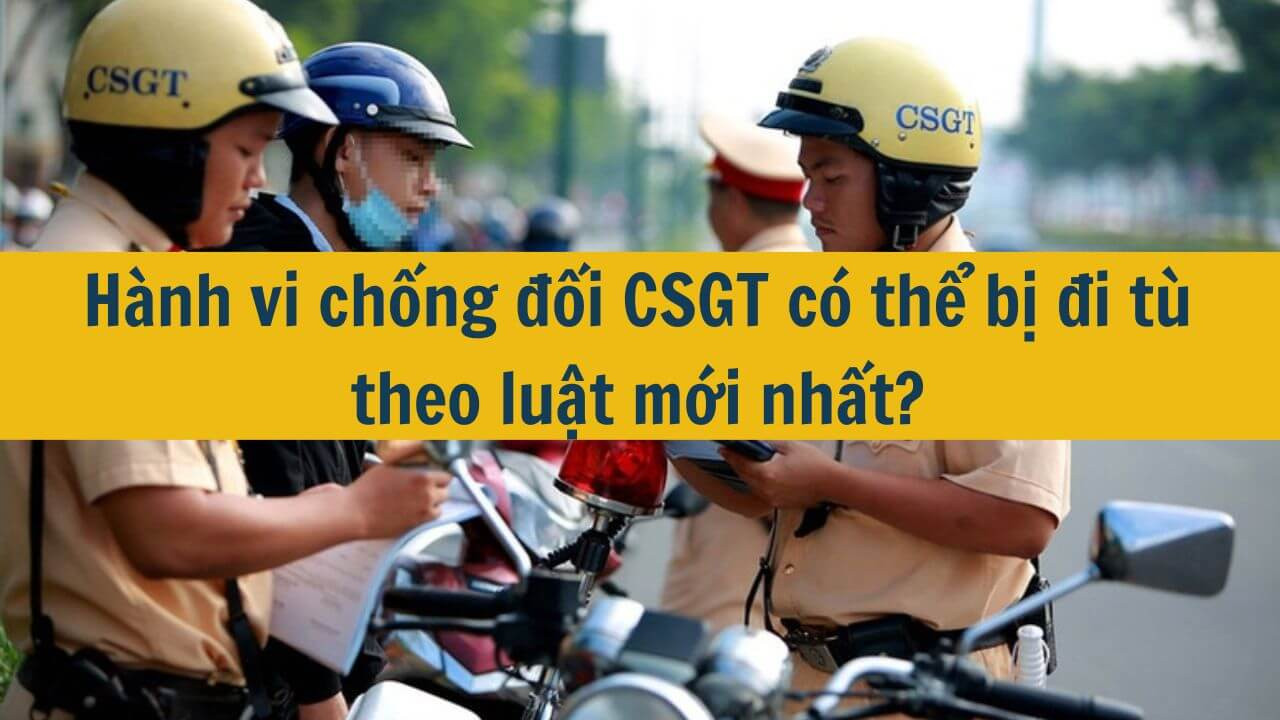
Hành vi chống đối CSGT có thể bị đi tù theo luật mới nhất 2025?
Thời gian gần đây, nhiều vụ việc người dân có hành vi chống đối, lăng mạ, thậm chí hành hung Cảnh sát giao thông (CSGT) khi bị kiểm tra, xử lý vi phạm đang có xu hướng gia tăng và gây bức xúc trong dư luận. Không ít người cho rằng đây chỉ là hành vi vi phạm hành chính và sẽ chỉ bị xử phạt tiền. Tuy nhiên, theo quy định mới nhất của Bộ luật Hình sự năm 2025, tùy tính chất, mức độ vi phạm, hành vi chống đối CSGT có thể bị truy cứu trách nhiệm hình sự với mức án lên đến nhiều năm tù giam. Bài viết dưới đây sẽ làm rõ các trường hợp người vi phạm có thể bị đi tù khi chống đối lực lượng CSGT theo quy định pháp luật mới nhất. 27/05/2025Tội làm chết người trong khi thi hành công vụ hình phạt cao nhất là bao nhiêu năm?

Tội làm chết người trong khi thi hành công vụ hình phạt cao nhất là bao nhiêu năm?
Trong quá trình thực thi công vụ, đặc biệt là các nhiệm vụ liên quan đến cưỡng chế, bắt giữ hoặc trấn áp hành vi vi phạm pháp luật, người thi hành công vụ buộc phải sử dụng quyền hạn được pháp luật trao cho. Tuy nhiên, nếu vượt quá giới hạn cần thiết và gây hậu quả nghiêm trọng như làm chết người, thì hành vi đó có thể bị truy cứu trách nhiệm hình sự. Vậy, trong trường hợp người thi hành công vụ gây ra cái chết cho người khác, hình phạt cao nhất theo quy định pháp luật hiện hành là bao nhiêu năm tù? Bài viết dưới đây sẽ làm rõ tội danh này theo quy định của Bộ luật Hình sự hiện hành, cập nhật đến năm 2025. 27/05/2025Mức phạt đối với hành vi chống người thi hành công vụ theo luật hình sự mới nhất 2025

Mức phạt đối với hành vi chống người thi hành công vụ theo luật hình sự mới nhất 2025
Hành vi chống người thi hành công vụ là một trong những vi phạm nghiêm trọng gây ảnh hưởng đến trật tự, an toàn xã hội và cản trở hoạt động thực thi pháp luật. Với mục tiêu tăng cường tính răn đe và bảo vệ người đang thực hiện nhiệm vụ theo quy định pháp luật, Bộ luật Hình sự năm 2025 đã có những sửa đổi, bổ sung quan trọng liên quan đến tội danh này. Bài viết dưới đây sẽ phân tích cụ thể mức phạt đối với hành vi chống người thi hành công vụ theo quy định mới nhất, đồng thời cung cấp những lưu ý pháp lý quan trọng để người dân hiểu rõ và tuân thủ pháp luật. 06/06/2025Bị đánh có kiện được không? Cách bảo vệ quyền lợi theo luật mới nhất 2025

Bị đánh có kiện được không? Cách bảo vệ quyền lợi theo luật mới nhất 2025
Khi bị đánh gây tổn thương về thể chất hoặc tinh thần, nhiều người đặt câu hỏi liệu mình có quyền kiện để bảo vệ quyền lợi hay không. Theo quy định pháp luật mới nhất năm 2025, việc bảo vệ quyền lợi của người bị hại không chỉ được pháp luật thừa nhận mà còn được bảo vệ một cách rõ ràng, cụ thể qua các thủ tục tố tụng hình sự và dân sự. Việc hiểu rõ quyền và cách thức bảo vệ sẽ giúp người bị hại có thể kịp thời yêu cầu cơ quan chức năng can thiệp, xử lý hành vi vi phạm, đồng thời đảm bảo quyền lợi của bản thân được bảo vệ đúng pháp luật. 31/05/2025Mẫu biên bản bắt người bị giữ trong trường hợp khẩn cấp mới nhất 2025 chuẩn quy định

Mẫu biên bản bắt người bị giữ trong trường hợp khẩn cấp mới nhất 2025 chuẩn quy định
Biên bản bắt người bị giữ trong trường hợp khẩn cấp là văn bản pháp lý được lập ngay khi cơ quan chức năng thực hiện việc giữ người theo quy định của pháp luật. Việc lập biên bản phải tuân thủ đúng quy trình, ghi rõ lý do, thời gian và các nội dung liên quan để đảm bảo tính hợp pháp và minh bạch theo quy định mới nhất năm 2025. 31/05/2025Mẫu biên bản bắt người bị truy nã chuẩn pháp lý mới nhất 2025

Mẫu biên bản bắt người bị truy nã chuẩn pháp lý mới nhất 2025
Biên bản bắt người bị truy nã là văn bản pháp lý quan trọng, được lập ngay khi cơ quan chức năng bắt giữ người đang trong tình trạng bị truy nã theo quy định của pháp luật. Việc lập biên bản này phải đảm bảo đầy đủ các nội dung theo mẫu chuẩn do cơ quan có thẩm quyền quy định, nhằm ghi nhận chính xác diễn biến, tình tiết và căn cứ pháp lý bắt người. Mẫu biên bản được cập nhật mới nhất năm 2025 nhằm phù hợp với các quy định hiện hành, giúp đảm bảo tính hợp pháp, minh bạch và hiệu quả trong công tác bắt giữ, xử lý người bị truy nã. 31/05/2025Công an tạm giữ người quá 3 ngày có đúng quy định không?

Công an tạm giữ người quá 3 ngày có đúng quy định không?
Theo quy định tại Bộ luật Tố tụng hình sự năm 2015, thời hạn tạm giữ người của cơ quan công an tối đa là 3 ngày kể từ thời điểm bắt hoặc nhận người bị tạm giữ. Trong trường hợp cần thiết, cơ quan điều tra có thể đề nghị Viện kiểm sát phê chuẩn để gia hạn thêm tối đa 3 ngày. Tuy nhiên, việc gia hạn này phải được Viện kiểm sát đồng ý và ra quyết định hợp pháp trong thời gian quy định. Nếu công an tạm giữ người quá 3 ngày mà không có quyết định gia hạn từ Viện kiểm sát thì hành vi này được xem là vi phạm pháp luật, xâm phạm quyền tự do cá nhân của người bị tạm giữ. Do đó, việc tạm giữ phải tuân thủ nghiêm ngặt các quy định về thời gian nhằm đảm bảo quyền và lợi ích hợp pháp của công dân. 31/05/2025Thời điểm lập biên bản phạm tội quả tang theo luật mới nhất 2025 là khi nào?

Thời điểm lập biên bản phạm tội quả tang theo luật mới nhất 2025 là khi nào?
Việc lập biên bản phạm tội quả tang là bước đầu quan trọng trong quá trình xử lý các hành vi vi phạm pháp luật hình sự. Theo quy định mới nhất của pháp luật năm 2025, thời điểm lập biên bản phải được thực hiện kịp thời ngay khi phát hiện hành vi phạm tội hoặc ngay sau khi hành vi đó vừa xảy ra và bị phát hiện. Điều này không chỉ giúp đảm bảo tính pháp lý, minh bạch trong quá trình bắt giữ mà còn góp phần bảo vệ quyền và lợi ích hợp pháp của các bên liên quan. 31/05/2025Ai được phép bắt người phạm tội quả tang theo luật hình sự mới nhất 2025?

Ai được phép bắt người phạm tội quả tang theo luật hình sự mới nhất 2025?
Việc bắt người phạm tội quả tang là một trong những biện pháp quan trọng giúp ngăn chặn kịp thời hành vi vi phạm pháp luật và bảo vệ an ninh trật tự xã hội. Theo quy định của Bộ luật Hình sự và Bộ luật Tố tụng hình sự mới nhất năm 2025, không chỉ cơ quan công an mà ngay cả người dân cũng có quyền bắt người phạm tội quả tang trong những trường hợp cụ thể. Tuy nhiên, quyền bắt giữ này phải được thực hiện đúng trình tự, đảm bảo quyền lợi và nghĩa vụ theo quy định pháp luật nhằm tránh các hành vi lạm dụng hoặc vi phạm quyền con người. 31/05/2025Mẫu biên bản bắt người phạm tội quả tang chuẩn pháp lý mới nhất 2025