 Tìm kiếm
Nghị định 34/2023/NĐ-CP sửa đổi Nghị định 112/2014/NĐ-CP quản lý cửa khẩu biên giới đất liền
| Số hiệu: | 34/2023/NĐ-CP | Loại văn bản: | Nghị định |
| Nơi ban hành: | Chính phủ | Người ký: | Phạm Minh Chính |
| Ngày ban hành: | 16/06/2023 | Ngày hiệu lực: | 31/07/2023 |
| Ngày công báo: | *** | Số công báo: | Từ số 787 đến số 788 |
| Lĩnh vực: | Xuất nhập khẩu, Bộ máy hành chính | Tình trạng: | Còn hiệu lực |
TÓM TẮT VĂN BẢN
Thêm cơ quan có thẩm quyền xác định phạm vi khu vực cửa khẩu biên giới
Ngày 16/6/2023, Chính phủ ban hành Nghị định 34/2023/NĐ-CP sửa đổi, bổ sung một số điều của Nghị định 112/2014/NĐ-CP quy định về quản lý cửa khẩu biên giới đất liền.
Thêm cơ quan có thẩm quyền xác định phạm vi khu vực cửa khẩu biên giới
Theo đó, cơ quan có thẩm quyền xác định phạm vi khu vực cửa khẩu, lối mở biên giới, lối thông quan, đường chuyên dụng vận chuyển hàng hóa và quy hoạch xây dựng khu vực cửa khẩu, lối mở biên giới gồm:
(1) Chính phủ: Quyết định phê duyệt phạm vi khu vực cửa khẩu quốc tế, cửa khẩu chính (cửa khẩu song phương); lối thông quan, đường chuyên dụng vận chuyển hàng hóa. (hiện hành không quy định)
(2) UBND tỉnh biên giới:
- Quyết định phê duyệt phạm vi khu vực cửa khẩu phụ (cửa khẩu địa phương), lối mở biên giới;
- Chủ trì, phối hợp với các Bộ: Quốc phòng, Công an, Ngoại giao, Tài chính, Công Thương, Y tế, Tài nguyên và Môi trường, Nông nghiệp và Phát triển nông thôn, Xây dựng xác định phạm vi khu vực cửa khẩu quốc tế, cửa khẩu chính (cửa khẩu song phương); lối thông quan, đường chuyên dụng vận chuyển hàng hóa và báo cáo Chính phủ quyết định;
- Chủ trì, phối hợp với các Bộ: Quốc phòng, Công an, Ngoại giao, Tài chính, Công Thương, Xây dựng, Giao thông vận tải, Kế hoạch và Đầu tư, Tài nguyên và Môi trường để lập, thẩm định quy hoạch xây dựng khu vực cửa khẩu quốc tế, cửa khẩu chính (cửa khẩu song phương), trình Thủ tướng Chính phủ phê duyệt;
- Lập, thẩm định, phê duyệt đối với quy hoạch phân khu xây dựng và quy hoạch chi tiết xây dựng tại khu vực cửa khẩu quốc tế, cửa khẩu chính (cửa khẩu song phương);
- Lập, thẩm định, phê duyệt quy hoạch xây dựng khu vực cửa khẩu phụ (cửa khẩu địa phương), lối mở biên giới.
(3) Bộ Chỉ huy Bộ đội Biên phòng tỉnh chủ trì, phối hợp với các sở, ngành của tỉnh, gồm: Bộ Chỉ huy Quân sự, Công an, Ngoại vụ, Công Thương, Y tế, Hải quan, Nông nghiệp và Phát triển nông thôn, Kế hoạch và Đầu tư, Xây dựng, Tài chính, Giao thông vận tải, Tài nguyên và Môi trường và UBND cấp huyện có cửa khẩu phụ (cửa khẩu địa phương), lối mở biên giới xác định phạm vi khu vực cửa khẩu phụ (cửa khẩu địa phương), lối mở biên giới và báo cáo UBND tỉnh quyết định.
Nghị định 34/2023/NĐ-CP có hiệu lực thi hành từ ngày 31/7/2023.
Văn bản tiếng việt
 Nghị định 34/2023/NĐ-CP sửa đổi Nghị định 112/2014/NĐ-CP quản lý cửa khẩu biên giới đất liền (Bản Pdf)
 Nghị định 34/2023/NĐ-CP sửa đổi Nghị định 112/2014/NĐ-CP quản lý cửa khẩu biên giới đất liền (Bản Word)
Văn bản tiếng anh
|
CHÍNH PHỦ |
CỘNG HÒA XÃ HỘI CHỦ NGHĨA VIỆT NAM |
|
Số: 34/2023/NĐ-CP |
Hà Nội, ngày 16 tháng 6 năm 2023 |
SỬA ĐỔI, BỔ SUNG MỘT SỐ ĐIỀU CỦA NGHỊ ĐỊNH SỐ 112/2014/NĐ-CP NGÀY 21 THÁNG 11 NĂM 2014 CỦA CHÍNH PHỦ QUY ĐỊNH VỀ QUẢN LÝ CỬA KHẨU BIÊN GIỚI ĐẤT LIỀN
Căn cứ Luật Tổ chức Chính phủ ngày 19 tháng 6 năm 2015;
Căn cứ Luật Tổ chức chính quyền địa phương ngày 19 tháng 6 năm 2015;
Căn cứ Luật sửa đổi, bổ sung một số điều của Luật Tổ chức Chính phủ và Luật Tổ chức chính quyền địa phương ngày 22 tháng 11 năm 2019;
Căn cứ Luật Biên giới quốc gia ngày 17 tháng 6 năm 2003;
Căn cứ Luật Biên phòng Việt Nam ngày 11 tháng 11 năm 2020;
Căn cứ Luật Xuất cảnh, nhập cảnh của công dân Việt Nam ngày 22 tháng 11 năm 2019;
Căn cứ Luật Nhập cảnh, xuất cảnh, quá cảnh, cư trú của người nước ngoài tại Việt Nam ngày 16 tháng 6 năm 2014; Luật sửa đổi, bổ sung một số điều của Luật Nhập cảnh, xuất cảnh, quá cảnh, cư trú của người nước ngoài tại Việt Nam ngày 25 tháng 11 năm 2019;
Căn cứ Luật Quản lý ngoại thương ngày 12 tháng 6 năm 2017;
Căn cứ Luật Quy hoạch ngày 24 tháng 11 năm 2017;
Theo đề nghị của Bộ trưởng Bộ Quốc phòng;
Chính phủ ban hành Nghị định sửa đổi, bổ sung một số điều của Nghị định số 112/2014/NĐ-CP ngày 21 tháng 11 năm 2014 của Chính phủ quy định về quản lý cửa khẩu biên giới đất liền.
Điều 1. Sửa đổi, bổ sung một số điều của Nghị định số 112/2014/NĐ-CP ngày 21 tháng 11 năm 2014 của Chính phủ quy định về quản lý cửa khẩu biên giới đất liền
1. Sửa đổi khoản 2, khoản 3 và bổ sung khoản 11 vào Điều 3 như sau:
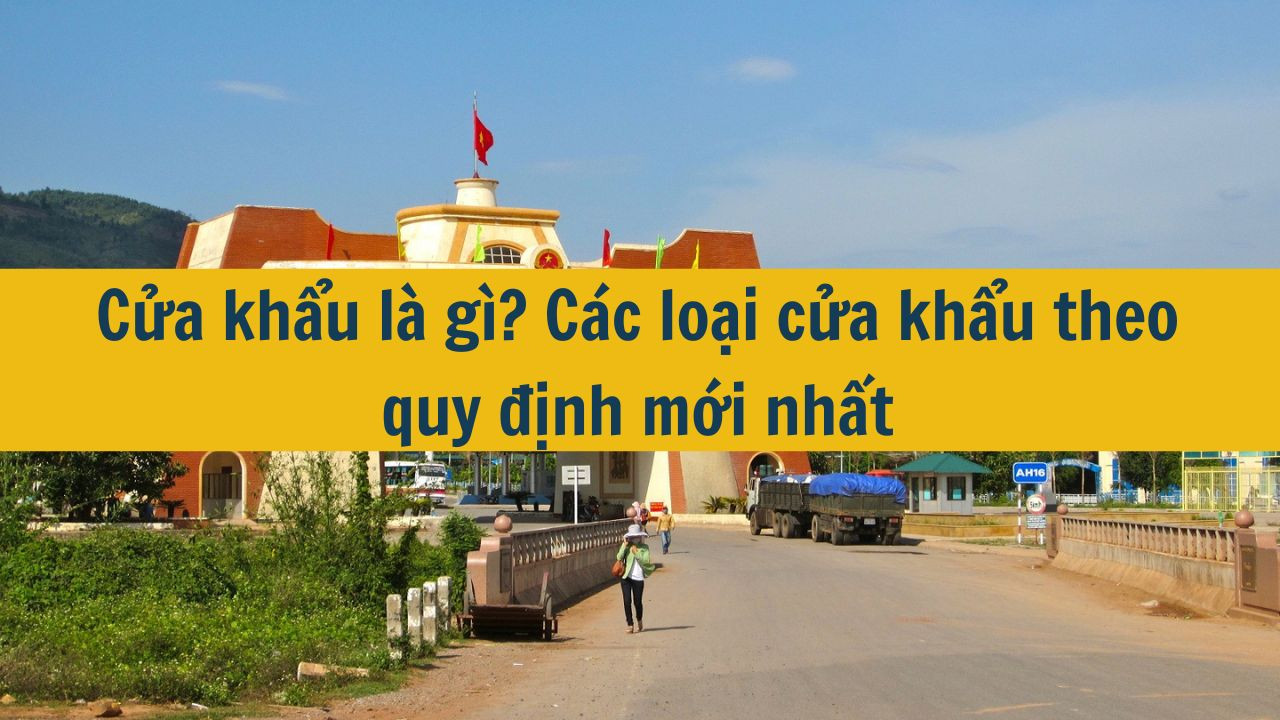
“2. Cửa khẩu biên giới đất liền (sau đây gọi tắt là cửa khẩu biên giới hoặc cửa khẩu) là nơi thực hiện việc xuất cảnh, nhập cảnh, xuất khẩu, nhập khẩu và qua lại biên giới quốc gia trên đất liền. Một cửa khẩu biên giới có thể bao gồm một hoặc nhiều loại tính chất hoạt động: Cửa khẩu đường bộ, cửa khẩu đường sắt và cửa khẩu đường thủy nội địa”.
“3. Cửa khẩu đường thủy nội địa (cửa khẩu đường thủy/cửa khẩu đường sông) là cửa khẩu biên giới được mở trên các tuyến đường thủy đi qua đường biên giới quốc gia trên đất liền”.
“11. Quy hoạch cửa khẩu là việc xác định định hướng phát triển hệ thống cửa khẩu trên từng tuyến biên giới đất liền Việt Nam - Trung Quốc, Việt Nam - Lào, Việt Nam - Campuchia”.
“Điều 4. Loại hình cửa khẩu biên giới; lối mở biên giới; lối thông quan, đường chuyên dụng vận chuyển hàng hóa thuộc cửa khẩu quốc tế, cửa khẩu chính (cửa khẩu song phương)
1. Loại hình cửa khẩu biên giới
a) Cửa khẩu quốc tế được mở cho người, phương tiện của Việt Nam và nước ngoài xuất cảnh, nhập cảnh; hàng hóa, vật phẩm xuất khẩu, nhập khẩu;
b) Cửa khẩu chính (cửa khẩu song phương) được mở cho người, phương tiện Việt Nam và nước láng giềng xuất cảnh, nhập cảnh; hàng hóa, vật phẩm xuất khẩu, nhập khẩu;
c) Cửa khẩu phụ (cửa khẩu địa phương) được mở cho người, phương tiện Việt Nam và nước láng giềng thuộc tỉnh biên giới nơi có cửa khẩu xuất cảnh, nhập cảnh; hàng hóa, vật phẩm xuất khẩu, nhập khẩu.
2. Lối mở biên giới (đường qua lại chợ biên giới, cặp chợ biên giới; điểm thông quan hàng hóa biên giới; đường qua lại tạm thời) được mở cho cư dân biên giới hai bên, phương tiện, hàng hóa, vật phẩm của cư dân biên giới hai bên và phương tiện, hàng hóa của thương nhân qua lại theo quy định tại Nghị định số 14/2018/NĐ-CP ngày 23 tháng 01 năm 2018 của Chính phủ quy định chi tiết về hoạt động thương mại biên giới; hoặc được mở trong trường hợp bất khả kháng hay yêu cầu đặc biệt của hai bên biên giới.
3. Lối thông quan, đường chuyên dụng vận chuyển hàng hóa thuộc cửa khẩu quốc tế, cửa khẩu chính (cửa khẩu song phương) được mở để xuất khẩu, nhập khẩu hàng hóa, vật phẩm hoặc cho các trường hợp qua lại biên giới khác theo thỏa thuận giữa Chính phủ nước Cộng hòa xã hội chủ nghĩa Việt Nam và nước láng giềng có chung cửa khẩu.
4. Các loại hình cửa khẩu; lối mở biên giới; lối thông quan, đường chuyên dụng vận chuyển hàng hóa và đối tượng xuất cảnh, nhập cảnh, xuất khẩu, nhập khẩu qua từng loại hình cửa khẩu biên giới; lối mở biên giới; lối thông quan, đường chuyên dụng vận tải hàng hóa quy định tại khoản 1, khoản 2, khoản 3 Điều này được thực hiện trên từng tuyến biên giới đất liền Việt Nam - Trung Quốc, Việt Nam - Lào, Việt Nam - Campuchia theo quy định của các điều ước, thỏa thuận giữa Việt Nam với nước láng giềng”.
3. Sửa đổi khoản 1, khoản 2 và bổ sung khoản 4, khoản 5 vào Điều 6 như sau:
“1. Bộ đội Biên phòng cửa khẩu
a) Tham mưu cho Bộ Quốc phòng thực hiện nội dung quản lý nhà nước đối với cửa khẩu biên giới thuộc trách nhiệm của Bộ Quốc phòng;
b) Quản lý, bảo vệ biên giới quốc gia, hệ thống mốc quốc giới, vật đánh dấu, dấu hiệu đường biên giới, công trình biên giới trong khu vực cửa khẩu, công trình cửa khẩu; chủ trì, phối hợp với cơ quan, tổ chức duy trì an ninh, trật tự, an toàn xã hội, bảo vệ quyền và lợi ích hợp pháp của cơ quan, tổ chức, cá nhân ở khu vực cửa khẩu theo quy định pháp luật;
c) Kiểm soát xuất nhập cảnh tại các cửa khẩu do Bộ Quốc phòng quản lý; thực hiện thủ tục biên phòng, cấp, sửa đổi, bổ sung, hủy bỏ thị thực, cấp chứng nhận tạm trú theo quy định pháp luật về xuất nhập cảnh; kiểm tra, xử lý vi phạm pháp luật về xuất nhập cảnh tại các cửa khẩu do Bộ Quốc phòng quản lý; kiểm tra, kiểm soát phương tiện khi có dấu hiệu vi phạm pháp luật, xử lý phương tiện vi phạm pháp luật ở khu vực biên giới, cửa khẩu biên giới theo quy định pháp luật;
d) Phối hợp kiểm tra, giám sát hàng hóa, vật phẩm xuất, nhập qua cửa khẩu biên giới, đảm bảo an ninh hàng hóa xuất khẩu, nhập khẩu; phòng, chống buôn lậu và gian lận thương mại;
đ) Chủ trì, phối hợp với các cơ quan quản lý nhà nước chuyên ngành tại cửa khẩu xây dựng quy chế phối hợp hoạt động trong thực hiện nhiệm vụ tại cửa khẩu”.
“2. Cơ quan Hải quan cửa khẩu chủ trì thực hiện thủ tục hải quan, kiểm tra, giám sát, kiểm soát đối với hàng hóa xuất khẩu, nhập khẩu, quá cảnh, hành lý của người xuất cảnh, nhập cảnh; phòng, chống buôn lậu, vận chuyển trái phép hàng hóa qua biên giới. Phối hợp kiểm soát phương tiện vận tải xuất cảnh, nhập cảnh, quá cảnh. Tổ chức thực hiện pháp luật về thuế đối với hàng hóa xuất khẩu, nhập khẩu và các nhiệm vụ khác theo quy định của Luật Hải quan”.
c) Bổ sung khoản 4 như sau:
“4. Các cơ quan quản lý nhà nước chuyên ngành tại cửa khẩu có trách nhiệm thực hiện kết nối, chia sẻ thông tin trong lĩnh vực xuất khẩu, nhập khẩu, quá cảnh hàng hóa; xuất cảnh, nhập cảnh, quá cảnh người và phương tiện vận tải theo cơ chế một cửa quốc gia”.
d) Bổ sung khoản 5 như sau:
“5. Căn cứ chức năng, nhiệm vụ, quyền hạn theo quy định pháp luật, các cơ quan quản lý nhà nước chuyên ngành tại cửa khẩu có thể thiết lập cơ chế trao đổi, hội đàm với cơ quan hữu quan cửa khẩu phía đối diện để phối hợp giải quyết các vấn đề thuộc lĩnh vực phụ trách trong hoạt động xuất cảnh, nhập cảnh, xuất khẩu, nhập khẩu”.
4. Sửa đổi điểm a khoản 1 và điểm a khoản 2 Điều 8 như sau:
a) Sửa đổi điểm a khoản 1 như sau:
“a) Công dân Việt Nam xuất cảnh, nhập cảnh qua cửa khẩu biên giới phải đảm bảo điều kiện theo quy định tại các Điều 33 và Điều 34 Luật Xuất cảnh, nhập cảnh của công dân Việt Nam”.
b) Sửa đổi điểm a khoản 2 như sau:
“a) Người nước ngoài xuất cảnh, nhập cảnh qua cửa khẩu biên giới phải đảm bảo điều kiện theo quy định tại các Điều 20 và Điều 27 Luật Nhập cảnh, xuất cảnh, quá cảnh, cư trú của người nước ngoài tại Việt Nam được sửa đổi, bổ sung tại khoản 11, khoản 12 Điều 1 Luật sửa đổi, bổ sung một số điều của Luật Nhập cảnh, xuất cảnh, quá cảnh, cư trú của người nước ngoài tại Việt Nam”.
5. Sửa đổi khoản 1, khoản 2 và điểm c khoản 3 Điều 9 như sau:
“1. Phương tiện Việt Nam, nước ngoài khi xuất cảnh, nhập cảnh qua cửa khẩu biên giới phải tuân thủ pháp luật Việt Nam và các điều ước quốc tế về vận tải mà nước Cộng hòa xã hội chủ nghĩa Việt Nam là thành viên, phải chịu sự kiểm tra, kiểm soát, giám sát của các cơ quan quản lý nhà nước chuyên ngành tại cửa khẩu”.
“2. Phương tiện Việt Nam và nước ngoài khi xuất cảnh, nhập cảnh qua cửa khẩu biên giới phải có các loại giấy tờ theo quy định của pháp luật Việt Nam và quy định của các điều ước quốc tế mà nước Cộng hòa xã hội chủ nghĩa Việt Nam là thành viên”.
c) Sửa đổi điểm c khoản 3 như sau:
“c) Giấy tờ khác theo quy định của pháp luật và điều ước quốc tế về vận tải mà nước Cộng hòa xã hội chủ nghĩa Việt Nam là thành viên”.
6. Sửa đổi điểm c khoản 2 Điều 11 như sau:
“c) Khu vực cách ly kiểm dịch y tế và xử lý y tế; khu cách ly và xử lý động vật, sản phẩm động vật”.
“Điều 12. Thẩm quyền xác định phạm vi khu vực cửa khẩu; lối mở biên giới; lối thông quan, đường chuyên dụng vận chuyển hàng hóa và quy hoạch xây dựng khu vực cửa khẩu, lối mở biên giới
1. Chính phủ quyết định phê duyệt phạm vi khu vực cửa khẩu quốc tế, cửa khẩu chính (cửa khẩu song phương); lối thông quan, đường chuyên dụng vận chuyển hàng hóa.
2. Ủy ban nhân dân tỉnh biên giới
a) Quyết định phê duyệt phạm vi khu vực cửa khẩu phụ (cửa khẩu địa phương), lối mở biên giới;
b) Chủ trì, phối hợp với các Bộ: Quốc phòng, Công an, Ngoại giao, Tài chính, Công Thương, Y tế, Tài nguyên và Môi trường, Nông nghiệp và Phát triển nông thôn, Xây dựng xác định phạm vi khu vực cửa khẩu quốc tế, cửa khẩu chính (cửa khẩu song phương); lối thông quan, đường chuyên dụng vận chuyển hàng hóa và báo cáo Chính phủ quyết định;
c) Chủ trì, phối hợp với các Bộ: Quốc phòng, Công an, Ngoại giao, Tài chính, Công Thương, Xây dựng, Giao thông vận tải, Kế hoạch và Đầu tư, Tài nguyên và Môi trường để lập, thẩm định quy hoạch xây dựng khu vực cửa khẩu quốc tế, cửa khẩu chính (cửa khẩu song phương), trình Thủ tướng Chính phủ phê duyệt;
d) Lập, thẩm định, phê duyệt đối với quy hoạch phân khu xây dựng và quy hoạch chi tiết xây dựng tại khu vực cửa khẩu quốc tế, cửa khẩu chính (cửa khẩu song phương);
đ) Lập, thẩm định, phê duyệt quy hoạch xây dựng khu vực cửa khẩu phụ (cửa khẩu địa phương), lối mở biên giới”.
3. Bộ Chỉ huy Bộ đội Biên phòng tỉnh chủ trì, phối hợp với các sở, ngành của tỉnh, gồm: Bộ Chỉ huy Quân sự, Công an, Ngoại vụ, Công Thương, Y tế, Hải quan, Nông nghiệp và Phát triển nông thôn, Kế hoạch và Đầu tư, Xây dựng, Tài chính, Giao thông vận tải, Tài nguyên và Môi trường và Ủy ban nhân dân cấp huyện có cửa khẩu phụ (cửa khẩu địa phương), lối mở biên giới xác định phạm vi khu vực cửa khẩu phụ (cửa khẩu địa phương), lối mở biên giới và báo cáo Ủy ban nhân dân tỉnh quyết định”.
8. Bổ sung khoản 3 vào Điều 14 như sau:
“3. Trong trường hợp điều ước quốc tế mà nước Cộng hòa xã hội chủ nghĩa Việt Nam là thành viên có quy định khác về dây chuyền kiểm tra, kiểm soát được quy định tại khoản 1 và khoản 2 Điều này thì thực hiện theo quy định của điều ước quốc tế đó”.
“Điều 17. Thực hiện hạn chế hoặc tạm dừng các hoạt động qua lại biên giới tại cửa khẩu; lối mở biên giới; lối thông quan, đường chuyên dụng vận chuyển hàng hóa
Việc hạn chế hoặc tạm dừng các hoạt động qua lại biên giới tại cửa khẩu; lối mở biên giới; lối thông quan, đường chuyên dụng vận chuyển hàng hóa thực hiện theo quy định tại khoản 1, điểm c khoản 2, khoản 4, khoản 5, khoản 6 và khoản 7 Điều 11 Luật Biên phòng Việt Nam”.
“Điều 18. Quy hoạch cửa khẩu
1. Quy hoạch cửa khẩu, xây dựng, phát triển hệ thống cửa khẩu phải căn cứ tình hình từng tuyến biên giới Việt Nam - Trung Quốc, Việt Nam - Lào, Việt Nam - Campuchia, từng địa phương, phù hợp yêu cầu phát triển kinh tế - xã hội và đảm bảo quốc phòng, an ninh, chủ quyền lãnh thổ quốc gia, được định hướng trong quy hoạch vùng, quy hoạch tỉnh; thực hiện theo đúng quy định của pháp luật về xây dựng, quy hoạch.
2. Thủ tướng Chính phủ phê duyệt quy hoạch cửa khẩu trên từng tuyến biên giới đất liền Việt Nam - Trung Quốc, Việt Nam - Lào, Việt Nam - Campuchia và quyết định việc điều chỉnh, bổ sung quy hoạch khi cần thiết.
3. Bộ Ngoại giao
a) Chủ trì, phối hợp với các Bộ: Quốc phòng, Công an, Tài chính, Tài nguyên và Môi trường, Công Thương, Giao thông vận tải, Kế hoạch và Đầu tư, Nông nghiệp và Phát triển nông thôn, Xây dựng, Y tế tổ chức xây dựng, thẩm định và phê duyệt nhiệm vụ lập quy hoạch cửa khẩu trên từng tuyến biên giới, gồm: Quy hoạch cửa khẩu trên tuyến biên giới đất liền Việt Nam - Trung Quốc, Quy hoạch cửa khẩu trên tuyến biên giới đất liền Việt Nam - Lào, Quy hoạch cửa khẩu trên tuyến biên giới đất liền Việt Nam - Campuchia theo trình tự quy định tại Phụ lục I của Nghị định này;
b) Chủ trì, phối hợp với các cơ quan nêu tại điểm a khoản 3 Điều này và các địa phương liên quan lập, thẩm định quy hoạch cửa khẩu trên từng tuyến biên giới đất liền Việt Nam - Trung Quốc, Việt Nam - Lào, Việt Nam - Campuchia trình Thủ tướng Chính phủ xem xét, phê duyệt theo trình tự quy định tại Phụ lục I của Nghị định này;
c) Tổ chức công bố, cung cấp thông tin quy hoạch; tổ chức thực hiện, đánh giá và đề xuất điều chỉnh, bổ sung quy hoạch cửa khẩu trên từng tuyến biên giới đất liền Việt Nam - Trung Quốc, Việt Nam - Lào, Việt Nam - Campuchia theo quy định tại Phụ lục I của Nghị định này và quy định có liên quan của Luật Quy hoạch.
11. Sửa đổi điểm b, điểm d khoản 1 và điểm a khoản 2 của Điều 19 như sau:
a) Sửa đổi điểm b khoản 1 như sau:
“b) Phù hợp với thỏa thuận song phương về phát triển cửa khẩu giữa Việt Nam và nước láng giềng; nằm trong quy hoạch cửa khẩu trên từng tuyến biên giới đất liền Việt Nam - Trung Quốc, Việt Nam - Lào, Việt Nam - Campuchia.
Trong trường hợp đặc biệt, Chính phủ quyết định mở, nâng cấp cửa khẩu không nằm trong quy hoạch cửa khẩu trên từng tuyến biên giới đất liền Việt Nam - Trung Quốc, Việt Nam - Lào, Việt Nam - Campuchia để đáp ứng yêu cầu về phát triển kinh tế - xã hội hoặc phục vụ yêu cầu cấp thiết khác”.
b) Sửa đổi điểm d khoản 1 như sau:
“d) Đảm bảo các tiêu chí chung quy định tại Phụ lục III kèm theo Nghị định này”.
c) Sửa đổi điểm a khoản 2 như sau:
“a) Chính phủ quyết định việc mở, nâng cấp cửa khẩu quốc tế, cửa khẩu chính (cửa khẩu song phương) và mở lối thông quan, đường chuyên dụng vận chuyển hàng hóa theo quy định của pháp luật Việt Nam và điều ước quốc tế mà nước Cộng hòa xã hội chủ nghĩa Việt Nam là thành viên”.
12. Sửa đổi tên Điều và sửa đổi, bổ sung điểm c, điểm d, điểm g khoản 1; điểm a, điểm c, điểm d khoản 2 và bổ sung khoản 3 vào Điều 20 như sau:
a) Sửa đổi tên Điều 20 như sau:
“Điều 20. Trình tự mở, nâng cấp cửa khẩu biên giới; lối mở biên giới; lối thông quan, đường chuyên dụng vận chuyển hàng hóa”.
b) Sửa đổi điểm c khoản 1 như sau:
“c) Trong thời hạn không quá 20 ngày làm việc, kể từ ngày kết thúc hội đàm với chính quyền cấp tỉnh biên giới nước láng giềng, Ủy ban nhân dân tỉnh biên giới báo cáo Chính phủ (thông qua Bộ Ngoại giao) hồ sơ về việc mở, nâng cấp cửa khẩu (01 bộ hồ sơ, gồm có: Báo cáo thuyết minh về việc mở, nâng cấp cửa khẩu quốc tế, cửa khẩu chính (cửa khẩu song phương); Sơ đồ, bản đồ quy hoạch tổng thể khu vực mở, nâng cấp cửa khẩu quốc tế, cửa khẩu chính (cửa khẩu song phương) (bản chính); bản chính Báo cáo tiêu chí đề nghị mở, nâng cấp cửa khẩu quốc tế, cửa khẩu chính (cửa khẩu song phương) (theo các tiêu chí quy định tại Phụ lục III kèm theo Nghị định này); Báo cáo đánh giá tác động đến kinh tế, xã hội, quốc phòng, an ninh (bản chính); bản chính Báo cáo về lưu lượng người, phương tiện, hàng hóa xuất, nhập (đối với cửa khẩu đề nghị nâng cấp); bản sao Biên bản thỏa thuận, hội đàm”.
c) Sửa đổi điểm d khoản 1 như sau:
“d) Trong thời hạn 30 ngày làm việc, kể từ ngày nhận được báo cáo hồ sơ mở, nâng cấp cửa khẩu của Ủy ban nhân dân tỉnh biên giới, Bộ Ngoại giao chủ trì, phối hợp với các Bộ: Quốc phòng, Công an, Công Thương, Tài chính, Kế hoạch và Đầu tư, Xây dựng, Giao thông vận tải, Nông nghiệp và Phát triển nông thôn, Y tế, Tài nguyên và Môi trường tiến hành khảo sát địa điểm cần mở, nâng cấp cửa khẩu quốc tế, cửa khẩu chính (cửa khẩu song phương)”.
d) Sửa đổi điểm g khoản 1 như sau:
“g) Trong thời hạn 10 ngày làm việc, kể từ ngày nhận được công hàm đồng ý mở, nâng cấp cửa khẩu của nước láng giềng thông qua đường ngoại giao, Bộ Ngoại giao thông báo cho Ủy ban nhân dân tỉnh biên giới để trao đổi thống nhất với chính quyền địa phương cấp tỉnh biên giới nước láng giềng, phối hợp tổ chức lễ công bố khai trương mở, nâng cấp cửa khẩu quốc tế, cửa khẩu chính (cửa khẩu song phương) hoặc thống nhất thời gian hoạt động chính thức cửa khẩu quốc tế, cửa khẩu chính (cửa khẩu song phương).
Trong thời hạn 05 ngày làm việc, kể từ ngày nhận được văn bản của chính quyền địa phương cấp tỉnh biên giới nước láng giềng trả lời thống nhất thời gian tổ chức lễ công bố khai trương mở, nâng cấp cửa khẩu quốc tế, cửa khẩu chính (cửa khẩu song phương), hoặc thống nhất thời gian hoạt động chính thức của cửa khẩu quốc tế, cửa khẩu chính (cửa khẩu song phương), Ủy ban nhân dân tỉnh biên giới thông báo cho các bộ quy định tại điểm d khoản này để phối hợp thực hiện”.
đ) Sửa đổi điểm a khoản 2 như sau:
“a) Theo đề nghị của Bộ Chỉ huy Bộ đội Biên phòng tỉnh, Chủ tịch Ủy ban nhân dân tỉnh biên giới quyết định thành lập đoàn công tác đại diện các sở, ngành liên quan của tỉnh, gồm: Bộ Chỉ huy Bộ đội Biên phòng, Bộ Chỉ huy Quân sự, Công an, Ngoại vụ, Công Thương, Y tế, Hải quan, Nông nghiệp và Phát triển nông thôn, Kế hoạch và Đầu tư, Xây dựng, Tài chính, Giao thông vận tải, Tài nguyên và Môi trường, Ủy ban nhân dân cấp huyện có cửa khẩu phụ (cửa khẩu địa phương), lối mở biên giới dự kiến mở, nâng cấp do Bộ Chỉ huy Bộ đội Biên phòng tỉnh chủ trì tiến hành khảo sát xác định địa điểm mở, nâng cấp cửa khẩu phụ (cửa khẩu địa phương), lối mở biên giới, tình hình cơ sở vật chất, trang thiết bị, lực lượng kiểm tra, kiểm soát, lưu lượng người, phương tiện, hàng hóa xuất, nhập. Trong thời hạn 07 ngày làm việc, kể từ ngày hoàn thành khảo sát, Bộ Chỉ huy Bộ đội Biên phòng tỉnh tổng hợp kết quả khảo sát, đề xuất Chủ tịch Ủy ban nhân dân tỉnh về việc mở, nâng cấp cửa khẩu phụ (cửa khẩu địa phương), lối mở biên giới”.
e) Sửa đổi điểm c khoản 2 như sau:
“c) Trong thời hạn 20 ngày làm việc, kể từ ngày kết thúc hội đàm với chính quyền địa phương cấp tỉnh biên giới nước láng giềng, căn cứ kết quả hội đàm, Ủy ban nhân dân tỉnh biên giới có văn bản xin ý kiến các Bộ: Quốc phòng, Ngoại giao, Công an, Công Thương, Tài chính, Nông nghiệp và Phát triển nông thôn, Kế hoạch và Đầu tư, Xây dựng, Giao thông vận tải, Y tế, Tài nguyên và Môi trường (kèm theo 01 bộ hồ sơ, gồm có: Báo cáo thuyết minh về việc mở, nâng cấp cửa khẩu phụ (cửa khẩu địa phương), lối mở biên giới (bản chính); sơ đồ, bản đồ quy hoạch tổng thể khu vực mở, nâng cấp cửa khẩu phụ (cửa khẩu địa phương), lối mở biên giới (bản chính); bản chính Báo cáo tiêu chí đề nghị mở, nâng cấp cửa khẩu phụ (cửa khẩu địa phương), lối mở biên giới (theo các tiêu chí quy định tại Phụ lục III kèm theo Nghị định này); báo cáo đánh giá tác động đến kinh tế, xã hội, quốc phòng, an ninh (bản chính); bản chính Báo cáo lưu lượng người, phương tiện, hàng hóa xuất, nhập (trường hợp nâng cấp từ lối mở lên cửa khẩu phụ (cửa khẩu địa phương); bản sao Biên bản thỏa thuận, hội đàm. Trong thời hạn 10 ngày làm việc, kể từ ngày nhận được văn bản xin ý kiến của Ủy ban nhân dân tỉnh biên giới, các bộ phải có văn bản trả lời”.
g) Sửa đổi điểm d khoản 2 như sau:
“d) Trên cơ sở ý kiến tham gia của các bộ quy định tại điểm c khoản này, Ủy ban nhân dân tỉnh biên giới tổng hợp, báo cáo xin ý kiến Chính phủ (kèm theo 01 bộ hồ sơ, gồm có: Bản chính Tờ trình Chính phủ (theo mẫu quy định tại Phụ lục II kèm theo Nghị định này); sơ đồ, bản đồ quy hoạch tổng thể khu vực dự kiến mở, nâng cấp cửa khẩu phụ (cửa khẩu địa phương), lối mở biên giới (bản chính); Báo cáo tiêu chí đề nghị mở, nâng cấp cửa khẩu phụ (cửa khẩu địa phương), lối mở biên giới (theo các tiêu chí quy định tại Phụ lục III kèm theo Nghị định này); Báo cáo đánh giá tác động đến kinh tế, xã hội, quốc phòng, an ninh (bản chính); Báo cáo tổng hợp ý kiến tham gia của các bộ, ngành (bản chính); bản sao Biên bản thỏa thuận, hội đàm;
Trong thời hạn 10 ngày làm việc, kể từ ngày nhận được văn bản thông báo ý kiến đồng ý của Chính phủ, Chủ tịch Ủy ban nhân dân tỉnh biên giới ban hành quyết định mở, nâng cấp cửa khẩu phụ (cửa khẩu địa phương), lối mở biên giới và thông báo cho các bộ quy định tại điểm c khoản này”.
h) Bổ sung khoản 3 vào sau khoản 2 của Điều 20 như sau:
“3. Trình tự mở lối thông quan, đường chuyên dụng vận chuyển hàng hóa thực hiện theo quy định tại khoản 1 Điều này”.
13. Sửa đổi khoản 2 của Điều 22 như sau:
“2. Chỉ đạo Bộ đội Biên phòng
a) Thực hiện chức năng quản lý nhà nước về quốc phòng, an ninh, đối ngoại, đảm bảo giữ gìn an ninh chính trị, trật tự an toàn xã hội được quy định tại Điều 13, Điều 14, Điều 15 Luật Biên phòng Việt Nam;
b) Thực hiện trách nhiệm của Bộ đội Biên phòng cửa khẩu theo quy định tại khoản 3 Điều 1 Nghị định này”.
14. Sửa đổi khoản 1 Điều 26 như sau:
“1. Bộ Ngoại giao
a) Chủ trì, phối hợp với các bộ, ngành và địa phương liên quan xây dựng quy hoạch cửa khẩu trên từng tuyến biên giới đất liền Việt Nam - Trung Quốc, Việt Nam - Lào, Việt Nam - Campuchia theo quy định tại khoản 10 Điều này và các văn bản có liên quan trình Thủ tướng Chính phủ phê duyệt;
b) Chủ trì, phối hợp với các bộ, ngành liên quan xem xét, tham mưu cho Chính phủ chủ trương mở, nâng cấp cửa khẩu theo quy định tại khoản 12 Điều này và Điều 20 Nghị định số 112/2014/NĐ-CP ngày 21 tháng 11 năm 2014 của Chính phủ quy định về quản lý cửa khẩu biên giới đất liền; hướng dẫn việc thực hiện quy trình, thủ tục mở, nâng cấp cửa khẩu, lối mở biên giới theo quy định tại Nghị định này và các văn bản có liên quan”.
15. Bãi bỏ điểm a khoản 4 Điều 26.
16. Sửa đổi khoản 4 và bổ sung khoản 5 vào Điều 27 như sau:
“4. Chỉ đạo Ban Quản lý khu kinh tế cửa khẩu và Ban Quản lý cửa khẩu thực hiện trách nhiệm điều hành hoạt động tại cửa khẩu biên giới theo quy định tại Điều 9, Điều 10, Điều 11 Quyết định số 45/2013/QĐ-TTg ngày 25 tháng 7 năm 2013 của Thủ tướng Chính phủ về việc ban hành Quy chế điều hành hoạt động tại các cửa khẩu biên giới đất liền”.
”5. Chủ trì, phối hợp với các bộ, ngành liên quan quyết định đầu tư các dự án khu vực cửa khẩu theo quy định của pháp luật; triển khai xây dựng cơ sở hạ tầng cửa khẩu và hoàn thành trong thời gian không quá 36 tháng sau khi có Nghị quyết của Chính phủ về mở, nâng cấp cửa khẩu; bố trí nhân lực, trang thiết bị theo các tiêu chuẩn của loại hình cửa khẩu tương ứng quy định tại Phụ lục IV kèm theo Nghị định này”.
1. Nghị định này có hiệu lực thi hành từ ngày 31 tháng 7 năm 2023.
2. Đối với các hồ sơ đề nghị mở, nâng cấp cửa khẩu quốc tế, cửa khẩu chính hiện đang báo cáo Chính phủ (thông qua Bộ Ngoại giao) và hồ sơ đề nghị mở, nâng cấp cửa khẩu phụ, lối mở biên giới hiện Ủy ban nhân dân tỉnh biên giới đang lấy ý kiến các Bộ: Quốc phòng, Ngoại giao, Công an, Công Thương, Tài chính, Nông nghiệp và Phát triển nông thôn, Kế hoạch và Đầu tư, Giao thông vận tải, Y tế trước khi Nghị định này có hiệu lực, việc áp dụng trình tự, thủ tục, thành phần hồ sơ thực hiện theo quy định của Nghị định số 112/2014/NĐ-CP ngày 21 tháng 11 năm 2014 của Chính phủ quy định về quản lý cửa khẩu biên giới đất liền.
3. Quy định tại Điều 5, Điều 6, Điều 7, Điều 13, Điều 16, Điều 21, Điều 22, Điều 23, Điều 24, Điều 25, Điều 26, Điều 27 Nghị định số 112/2014/NĐ-CP ngày 21 tháng 11 năm 2014 của Chính phủ quy định về quản lý cửa khẩu biên giới đất liền được áp dụng cho loại hình lối mở biên giới quy định tại khoản 2 Điều 1 Nghị định này.
|
THE GOVERNMENT OF VIETNAM |
SOCIALIST REPUBLIC OF VIETNAM |
|
No. 34/2023/ND-CP |
Hanoi, June 16, 2023 |
AMENDMENTS TO SOME ARTICLES OF GOVERNMENT'S DECREE NO. 112/2014/ND-CP DATED NOVEMBER 21, 2014 ON MANAGEMENT OF LAND BORDER CHECKPOINTS
Pursuant to the Law on Government Organization dated June 19, 2015;
Pursuant to the Law on Local Government Organization dated June 19, 2015;
Pursuant to the Law on amendments to some Articles of Law on Government Organization and Law on Local Government Organization dated November 22, 2019;
Pursuant to the Law on National Border dated June 17, 2003;
Pursuant to the Vietnam Border Guard Law dated November 11, 2020;
Pursuant to the Law on Entry and Exit of Vietnamese Citizens dated November 22, 2019;
Pursuant to the Law on Entry, Exit, Transit and Residence of Foreigners in Vietnam dated June 16, 2014; the Law on amendments to some Articles of the Law on Entry, Exit, Transit and Residence of Foreigners in Vietnam dated November 25, 2019;
Pursuant to the Law on Foreign Trade Management dated June 12, 2017;
Pursuant to the Law on Planning dated November 24, 2017;
At the request of the Minister of National Defense;
The Government promulgates Decree on amendments to some Articles of Government's Decree No. 112/2014/ND-CP dated November 21, 2014 on management of land border checkpoints.
Article 1. Amendments to some Articles of Government's Decree No. 112/2014/ND-CP dated November 21, 2014 on management of land border checkpoints
1. Clauses 2 and 3 Article 3 shall be amended and Clause 11 shall be added to Article 3 as follows:
a) Clause 2 shall be amended as follows:
“2. Land border checkpoint (hereinafter referred to as “border checkpoint or checkpoint”) means a place where exit, entry, import, export and movements across the national land border take place. A border checkpoint may include one or various types of operational characteristics. Border checkpoints include land border checkpoints, railway border checkpoints and inland waterway border checkpoints.
b) Clause 3 shall be amended as follows:
“3. Inland waterway border checkpoint (waterway checkpoint) means a mainland border checkpoint opened on a waterway running through the national land border”.
c) Clause 11 shall be added as follows:
“11. Border checkpoint planning means identification of the development orientation of the border checkpoint system on each land border between Vietnam - China, Vietnam - Laos, and Vietnam – Cambodia”.
2. Article 4 shall be amended as follows:
Article 4. Types of land border checkpoints; border crossings; customs clearance crossings, specialized roads for transport of goods of international border checkpoints, main border checkpoints (bilateral border checkpoints)
1. Types of land border checkpoints
a) International border checkpoints which are opened for the entry and exit of Vietnamese and foreign people and vehicles; export and import of goods and articles.
b) Main border checkpoints (bilateral border checkpoints) which are opened for the entry and exit of people and vehicles of Vietnam and neighboring countries; import and export of goods and articles.
c) Secondary border checkpoints (local checkpoints) which are opened for the entry and exit of people and vehicles of Vietnam and neighboring countries in bordering provinces where there are border checkpoints; import and export of goods and articles.
2. Border crossings (crossings for travel to and from border markets of either or two sides; border customs clearance places for goods; temporary crossings) which are opened for border inhabitants of two sides and their vehicles, goods and articles, and traders’ vehicles and goods to travel according to regulations in Government's Decree No. 14/2018/ND-CP dated January 23, 2018 on border trade; or opened in force majeure cases or at the special request of two sides.
3. Customs clearance crossings, specialized roads for transport of goods of international border checkpoints, main border checkpoints (bilateral border checkpoints) which are opened for the import and export of goods and articles or other cases of cross-border movements under agreements between the Government of the Socialist Republic of Vietnam and neighboring countries sharing the border checkpoints
4. Types of land border checkpoints; border crossings; customs clearance crossings, specialized roads for transport of goods, and people and vehicles on entry and exit, goods and articles that are imported and exported across each type of land border checkpoint; each border crossing; each customs clearance crossing, and each specialized road for transport of goods specified in Clauses 1, 2 and 3 of this Article on each land border between Vietnam - China, Vietnam - Laos, Vietnam - Cambodia under regulations of treaties and agreements between Vietnam and neighboring countries.
3. Clauses 2 and 3 shall be amended and Clauses 4 and 5 shall be added to Article 6 as follows:
a) Clause 1 shall be amended as follows:
“1. Border guards at border checkpoints shall:
a) Advise the Ministry of National Defense on the implementation of the contents of state management at border checkpoints under the management by the Ministry of National Defense;
b) Manage and protect the national border, system of national landmarks, border markers and signs, border works in border-checkpoint areas, border-checkpoint works; take charge and cooperate with agencies and organizations in ensuring security, social order and safety, and protecting the lawful rights and interests of agencies, organizations and individuals in border-checkpoint areas in accordance with the law.
c) Control entry and exit at border checkpoints managed by the Ministry of National Defense; carry out border-guard procedures, issue, amend and cancel visas and issue temporary residence certificates in accordance with the law on entry and exit; inspect and handle violations against regulations in the law on entry and exit at border checkpoints managed by the Ministry of National Defense; inspect and control vehicles when there are signs of law violation, handle violating vehicles in border areas or border checkpoints according to regulations of the law;
d) Cooperate in inspecting and supervising goods and articles exported and imported through border checkpoints, ensuring the security of imports and exports; preventing and combating smuggling and commercial fraud;
dd) Take charge and cooperate with specialized state management agencies at border checkpoints in formulating regulations on cooperation in performance of tasks at the border checkpoints.
b) Clause 2 shall be amended as follows:
“2. The border checkpoint customs offices shall preside over carrying out customs procedures, inspecting and controlling exported, imported and transited goods, and luggage of people on exit or entry; preventing and combating smuggling and illegal transportation of goods across borders. Cooperate in controlling vehicles on exit, entry or transit. Organize the implementation of tax regulations for imports and exports and performance of tasks according to regulations of the Customs Law”.
c) Clause 4 shall be added as follows:
“4. Specialized state management agencies at border checkpoints shall be responsible for connecting and sharing information in fields of export, import and transit of goods; exit, entry and transit of people and vehicles according to the national single window mechanism.
d) Clause 5 shall be added as follows:
“5. According to their functions, tasks and powers as prescribed by law, specialized state management agencies at border checkpoints may establish mechanisms for exchange and discussion with the authorities of the other country in order to cooperate in solving problems in fields of exit, entry, export and import under their management.
4. Point a Clause 1 and point a Clause 2 Article 8 shall be amended as follows:
a) Point a Clause 1 shall be amended as follows:
“a) Vietnamese citizens on exit and entry via Vietnamese border checkpoints shall fulfil requirements specified in Articles 33 and 34 of the Law on Entry and Exit of Vietnamese Citizens”.
b) Point a Clause 2 shall be amended as follows:
“a) Foreigners on entry or exit through Vietnamese border checkpoints shall fulfil requirements specified in Articles 20 and 27 of the Law on Entry, Exit, Transit and Residence of Foreigners in Vietnam amended by Clause 11, Clause 12, Article 1 of the Law on amendments to some Articles of the Law on Entry, Exit, Transit and Residence of foreigners in Vietnam.
5. Clause 1 Clause 2 and point c Clause 3 Article 9 shall be amended as follows:
a) Clause 1 shall be amended as follows:
“1. Vietnamese and foreign vehicles on exit and entry via border checkpoints shall comply with Vietnamese law and treaties on land transport to which the Socialist Republic of Vietnam is a signatory, and be subject to the inspection, control and supervision by specialized state management agencies at border checkpoints.
b) Clause 2 shall be amended as follows:
“2. Vietnamese and foreign vehicles on exit and entry via border checkpoints shall have papers and documents according to regulations of Vietnamese law and treaties to which the Socialist Republic of Vietnam is a signatory”.
c) Point c Clause 3 shall be amended as follows:
“c) Other papers prescribed by law and international treaties on transport to which the Socialist Republic of Vietnam is a signatory”.
6. Point c Clause 2 Article 11 shall be amended as follows:
“c) Medical quarantine and medical treatment isolation area; animal/animal product isolation and treatment area”.
7. Article 12 shall be amended as follows:
“Article 12. Authority to determine the scope of checkpoint areas; border crossings; customs clearance crossings, specialized roads for transport of goods and planning for construction of checkpoint areas and border crossings
1. The Government decides to approve the scope of international border-checkpoint areas and main border-checkpoint areas (bilateral border checkpoint areas); customs clearance crossings, specialized roads for transport of goods.
2. The People's Committee of the bordering province shall
a) Decide to approve the scope of a secondary border-checkpoint area (local checkpoint area), and a border crossing;
b) Take charge and cooperate with the Ministry of National Defense, the Ministry of Public Security, the Ministry of Foreign Affairs, the Ministry of Finance, the Ministry of Industry and Trade, the Ministry of Health, the Ministry of Natural Resources and Environment, the Ministry of Agriculture and Rural Development and the Ministry of Construction in determination of the scope of the international border-checkpoint area, the main border-checkpoint area (bilateral border checkpoint area); the customs clearance crossing, the specialized road for transport of goods and report to the Government for decision;
c) Take charge and cooperate with the Ministry of National Defense, the Ministry of Public Security, the Ministry of Foreign Affairs, the Ministry of Finance, the Ministry of Industry and Trade, the Ministry of Construction, the Ministry of Transport, the Ministry of Planning and Investment, the Ministry of Natural Resources and Environment in formulation and appraisal of the planning for construction of the international border-checkpoint area, the main border-checkpoint area (bilateral border checkpoint area); and submission to the Prime Minister for approval;
d) Formulate, appraise and approve construction zoning planning and detailed construction planning at the international border checkpoint area and the main border checkpoint area (bilateral border checkpoint area);
dd) Formulate, appraisal and approve the planning for construction of the secondary border-checkpoint area (local checkpoint area) and the border crossing”.
3. Provincial-level Border Guard Commands shall take charge and cooperate with provincial-level departments and authorities, including the provincial-level Military Command, Public Security Department, Foreign Affairs Department, Industry and Trade Department, Health Department, Customs Department, Agriculture and Rural Development Department, Planning and Investment Department, Construction Department, Finance Department, Transport Department, Natural Resources and Environment Department and People’s Committees of districts where there are secondary border checkpoints (local checkpoints) and border crossings, in determination of the scope of secondary border checkpoint areas (local checkpoint areas) and border crossings and report to provincial-level People’s Committees for decision.
8. Clause 3 shall be added to Article 14 as follows:
“3. In case an international treaty to which the Socialist Republic of Vietnam is a signatory contains other regulations on inspection and control chains specified in Clauses 1 and 2 of this Article, the regulations of such international treaty shall be applied”.
9. Article 17 shall be amended as follows:
“Article 17. Restriction or suspension of cross-border movements at border checkpoints; border crossings; customs clearance crossings, specialized roads for transport of goods
The restriction or suspension of cross-border movements at border checkpoints; border crossings; customs clearance crossings, specialized roads for transport of goods shall comply with regulations in Clause 1, Point c Clause 2, Clause 4, Clause 5, Clause 6 and Clause 7 Article 11 of the Vietnam Border Guard Law”.
10. Article 18 shall be amended as follows:
“Article 18. Border checkpoint planning
1. The planning for border checkpoints, construction and development of border checkpoint systems shall be based on the situation of each border between Vietnam - China, Vietnam - Laos, Vietnam – Cambodia, each local area, conformable to the requirements of socio-economic development and maintenance of national defense, security and territorial sovereignty that have been orientated in regional and provincial planning; and conformable to regulations of the law on construction and planning.
2. The Prime Minister approves the planning for border checkpoints on each land border between Vietnam - China, Vietnam - Laos, Vietnam - Cambodia and decides to adjust and amend the planning when necessary.
3. The Ministry of Foreign Affairs shall:
a) Take charge and cooperate with the Ministry of National Defense, the Ministry of Public Security, the Ministry of Finance, the Ministry of Industry and Trade, the Ministry of Construction, the Ministry of Transport, the Ministry of Planning and Investment, the Ministry of Natural Resources and Environment, the Ministry of Health, the Ministry of Agriculture and Rural Development in formulation, appraisal and approval for the planning for border checkpoints on each border, including the planning for border checkpoints on the land border between Vietnam and China, the planning for border checkpoints on the land border between Vietnam and Laos, the planning for border checkpoints on the land border between Vietnam - Cambodia according to the order specified in Appendix I of this Decree;
b) Take charge and cooperate with the agencies mentioned at Point a, Clause 3 of this Article and relevant local authorities in formulating and appraising the planning for border checkpoints on each land border between Vietnam - China, Vietnam - Laos, and Vietnam and Cambodia, and submitting the planning to the Prime Minister for consideration and approval according to the order specified in Appendix I of this Decree;
c) Organize dissemination and provision of information on the planning; organize implementation, assessment and proposal for adjustment and amendment to the border checkpoint planning on each land border between Vietnam - China, Vietnam - Laos, Vietnam - Cambodia according to regulations in Appendix I of this Decree and relevant regulations of the Planning Law.
11. Point b, Point d Clause 1 and point a Clause 2 Article 19 shall be amended as follows:
a) Point b Clause 1 shall be amended as follows:
“b) Be conformable to bilateral agreements on the development of border checkpoints between Vietnam and neighboring countries; be included in the border checkpoint planning on each land border of Vietnam - China, Vietnam - Laos, Vietnam - Cambodia.
In special cases, the Government decides to open or upgrade border checkpoints that are not included in the border checkpoint planning on each land border between Vietnam - China, Vietnam - Laos, Vietnam - Cambodia in order to meet requirements for socio-economic development or serve other urgent requirements”.
b) Point d Clause 1 shall be amended as follows:
“d) Ensuring general criteria specified in Appendix III enclosed with this Decree”.
c) Point a Clause 2 shall be amended as follows:
“a) The Government decides to open and upgrade international border checkpoints, main border checkpoints (bilateral border checkpoints) and open customs clearance crossings and specialized roads for transport of goods in accordance with regulations of Vietnamese law and international treaties to which the Socialist Republic of Vietnam is a signatory”.
12. Name of Article 20 and Points c, d and g, Clause 1; point a, point c, point d Clause 2 shall be amended and Clause 3 shall be added to Article 20 as follows:
a) Name of Article 20 shall be amended as follows:
“Article 20. Order of opening and upgradation of border checkpoints; border crossings; customs clearance crossings, specialized roads for transport of goods”.
b) Point c Clause 1 shall be amended as follows:
"c) Within 20 working days after the conclusion of negotiations with the provincial-level administration of the neighboring country, the People’s Committee of the bordering province shall send an application for opening or upgradation of the border checkpoint to the Government (through the Ministry of Foreign Affairs). An application includes an explanatory report on the opening and upgradation of international border checkpoint and main border checkpoint (bilateral border checkpoint); the planning diagram, map of the area for opening or upgradation of the international border checkpoint or main border checkpoint (the original copy); an original copy of a report on criteria for request for the opening or upgradation of international border checkpoint or main border checkpoint (bilateral border checkpoint) (according to criteria specified in Appendix III to this Decree); a report on assessment of the socio-economic, defense and security impacts (an original copy); a report on the flows of people, vehicles and goods on entry and exit (for checkpoints to be upgraded); and copies of the agreement and negotiation minutes;”
c) Point d Clause 1 shall be amended as follows:
"d) Within 30 working days after receiving the report on the application for opening or upgradation of the border checkpoint of the People’s Committee of the bordering province, the Ministry of Foreign Affairs shall take charge and cooperate with the Ministries of National Defense; Public Security; Industry and Trade; Finance; Planning and Investment; Construction; Transport; Agriculture and Rural Development; and Health in, surveying the site of the to-be-opened or -upgraded international border checkpoint or main border checkpoint (bilateral border checkpoint);.
d) Point g Clause 1 shall be amended as follows:
"g) Within 10 working days after receiving the neighboring country’s note via diplomatic channels agreeing to the border checkpoint opening or upgradation, the Ministry of Foreign Affairs shall notify it to the People’s Committee of the bordering province for discussion with the provincial- level administration of the neighboring country, cooperation in holding a ceremony to officially start the opening or upgradation of the international border checkpoint or main border checkpoint (bilateral border checkpoint); or agreement on the time for official operation of international border checkpoint, main border checkpoint (bilateral border checkpoint).
Within 05 working days after receiving an official letter from the provincial-level administration of the neighboring country agreeing to the time for holding a ceremony to officially start the opening or upgradation of the international border checkpoint or main border checkpoint, or the time for official operation of international border checkpoint, main border checkpoint (bilateral border checkpoint), the People’s Committee of the bordering province shall notify it to the ministries specified at Point d of this Clause for cooperation in implementation.
dd) Point a Clause 2 shall be amended as follows:
"a) At the proposal of the provincial-level Border Guard Command, the president of the People’s Committee of the bordering province shall decide to form a working team composed of representatives of the related provincial-level departments and authorities, including the Border Guard Command, the Military Command, the Departments of Public Security; Foreign Affairs; Industry and Trade; Health; Customs; Agriculture and Rural Development; Planning and Investment; Construction; Finance; Transport; Natural Resources and Environment and the People’s Committee of the district where there is the to-be-opened or -upgraded secondary border checkpoint or border crossing, with the provincial-level Border Guard Command taking charge of conducting surveys to identify the site for the to-be-opened or -upgraded secondary border checkpoint or border crossing, physical foundations, equipment and facilities and human resources for inspection and control, and the flows of people, vehicles and goods on entry and exit. Within 07 working days after completing the survey, the provincial-level Border Guard Command shall summarize the survey result and propose the provincial-level People’s Committee on the opening or upgradation of the secondary border checkpoint (local checkpoint) or border crossing”.
e) Point c Clause 2 shall be amended as follows:
“c) Within 20 working days after the conclusion of negotiations with the provincial-level administration of the neighboring country, according to the negotiation results, the People’s Committee of the bordering province shall send an official letter asking for comments of the Ministries of National Defense; Foreign Affairs; Public Security; Industry and Trade; Finance; Agriculture and Rural Development; Construction; Natural Resources and Environment, Planning and Investment; Transport; and Health enclosed with an application. An application includes an explanatory report on the opening and upgradation of the secondary border checkpoint or border crossing (an original copy); the planning diagram, map of the area for opening or upgradation of the secondary border checkpoint or border crossing (an original copy); an original copy of a report on criteria for request for the opening or upgradation of the secondary border checkpoint or border crossing (according to criteria specified in Appendix III to this Decree); a report on assessment of the socio-economic, defense and security impacts (an original copy); a report on the flows of people, vehicles and goods on entry and exit (in case of upgradation from the crossing to the secondary border checkpoint); and copies of the agreement and negotiation minutes;”< Within 10 working days after receiving the official letter of the People’s Committee of the bordering province, the ministries shall reply in writing”.
g) Point d Clause 2 shall be amended as follows:
“d) According to the comments of the ministries specified at Point c of this Clause, the People’s Committee of the bordering province shall send a summarization report to the Government (enclosed with an application). An application includes a report to the Government (an original copy according to form specified in Appendix II to this Decree); the planning diagram and map of the area for opening or upgradation of the secondary border checkpoint or border crossing (an original copy); a report on criteria for request for the opening or upgradation of the secondary border checkpoint or border crossing (according to criteria specified in Appendix III to this Decree); a report on socio-economic, defense and security impacts (an original copy); a summarization report on comments of the ministries and authorities (an original copy); and copies of the agreement and negotiation minutes;
Within 10 working days after receiving the written approval of the Government, the People’s Committee of the bordering province shall issue a decision to open or upgrade the secondary border checkpoint or border crossing and notify it to the ministries specified at Point c of this Clause”;
h) Clauses 3 shall be added after Clause 2 of Article 20 as follows:
“3. The order of opening and upgradation of customs clearance crossings, specialized roads for transport of goods shall comply with regulations in Clause 1 of this Article”.
13. Clause 2 Article 22 shall be amended as follows:
“2. Direct the Border Guard to
a) Perform the function of state management of national defense, security and foreign affairs, assurance about the maintenance of political security, social order and safety as prescribed in Articles 13, 14 and 15 of the Vietnam Border Guard Law;
b) Carry out the responsibility of the Border Guard at the border checkpoint as prescribed in Clause 3, Article 1 of this Decree.
14. Clause 1 Article 26 shall be amended as follows:
"1. The Ministry of Foreign Affairs shall:
a) Take charge and cooperate with relevant ministries, central and local authorities in making the planning for border checkpoints on each land border between Vietnam - China, Vietnam - Laos, and Vietnam and Cambodia according to regulations in Clause 10 of this Article and relevant documents for submission to the Prime Minister for approval;
b) Take charge and cooperate with relevant ministries and authorities in considering and advising the Government to implement the policy on opening and upgradation of border checkpoints as prescribed in Clause 12 of this Article and Article 20 of the Government’s Decree No. 112/2014/ND-CP dated November 21, 2014 on management of land border checkpoints; provide guidance on the implementation of processes and procedures for opening and upgradation of border checkpoints and border crossings according to regulations of this Decree and relevant documents”.
15. Point a Clause 4 Article 26 shall be annulled.
16. Clause 4 shall be amended and Clause 5 shall be added to Article 27 as follows:
a) Clause 4 shall be amended as follows:
“4. Direct the Border-Checkpoint Economic Zone Management Boards and Border Checkpoint Management Boards to carry out their responsibilities for administration of operations at the border checkpoints according to regulations in Article 9, Article 10, Article 11 of the Decision No. 45/2013/QD- TTg dated July 25, 2013 of the Prime Minister on promulgation of the Regulation on administration of operations at land border checkpoints”.
b) Clause 5 shall be added as follows:
“5. Take charge and cooperate with relevant ministries and authorities in deciding investment in projects on border checkpoint areas in accordance with law; construct border checkpoint infrastructure and complete it within 36 months after the Government's Resolution on opening and upgradation of border checkpoints is issued; allocate human resources and equipment according to standards of corresponding types of border checkpoints specified in Appendix IV enclosed with this Decree”.
1. This Decree comes into force from July 31, 2023.
2. Regarding applications for opening or upgradation of international border checkpoints, main border checkpoints that are being sent to the Government (via the Ministry of Foreign Affairs) and applications for opening or upgradation of secondary border checkpoints or border crossings that People's Committees of bordering provinces are collecting opinions from ministries including the Ministry of National Defense, the Ministry of Foreign Affairs, the Ministry of Public Security, the Ministry of Industry and Trade, the Ministry of Finance, the Ministry of Agriculture and Rural Development, the Ministry of Planning and Investment, the Ministry of Transport and the Ministry of Health before the effective date of this Decree, the application of procedures and compositions of these applications shall comply with regulations of Government's Decree No. 112/2014/ND-CP dated November 21, 2014 on management of land border checkpoints.
3. Regulations in Article 5, Article 6, Article 7, Article 13, Article 16, Article 21, Article 22, Article 23, Article 24, Article 25, Article 26, Article 27 of Government’s Decree No. 112/2014/ND-CP dated November 21, 2014 on management of land border checkpoints shall be applied to border crossings specified in Clause 2, Article 1 of this Decree.
|
|
ON BEHALF OF THE GOVERNMENT |
Cập nhật
Bài viết liên quan
Cửa khẩu quốc tế và cửa khẩu quốc gia giống và khác gì nhau mới nhất 2025?

Cửa khẩu quốc tế và cửa khẩu quốc gia giống và khác gì nhau mới nhất 2025?
Trong quá trình giao lưu, hợp tác và phát triển giữa các quốc gia, việc kiểm soát và quản lý sự di chuyển của người và hàng hóa qua biên giới đóng vai trò vô cùng quan trọng. Một trong những yếu tố then chốt giúp thực hiện điều đó chính là cửa khẩu. Vậy Cửa khẩu quốc tế và cửa khẩu quốc gia giống và khác gì nhau mới nhất 2025? Bài viết sau đây sẽ làm rõ hơn vấn đề này. 14/04/2025Cửa khẩu là gì? Các loại cửa khẩu theo quy định mới nhất 2025