Danh sách câu hỏi

Có 20,733 câu hỏi trên 519 trang

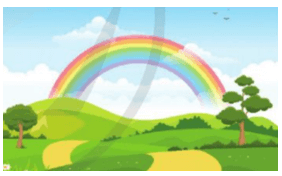
Vì sao có cầu vồng?

Sau cơn mưa, trên bầu trời vẫn còn lơ lửng các hạt nước nhỏ. Khi ánh nắng Mặt Trời chiếu qua những giọt nước nhỏ ấy, tia sáng bị phân thành các màu đỏ, da cam, vàng, lục, lam, chàm, tím; tạo nên vòng ánh sáng bảy màu. Đó là cầu vồng.

Trái Đất có độ cong nên ta chỉ có thể thấy được một nửa cầu vồng. Chỉ khi nào quan sát bằng vệ tinh hay tàu vũ trụ, cả một vòng cầu vồng mới hiện ra.

Vào mùa hè, sau khi mưa xong, có lúc trên bầu trời sẽ xuất hiện hai dải cầu vồng. Dải bên ngoài được gọi là cầu vồng ngoài. Màu sắc của nó nhạt hơn cầu vồng trong. Thứ tự sắp xếp màu của nó cũng ngược lại với cầu vồng trong: tím, chàm, lam, lục, vàng, da cam, đỏ.

Cầu vồng có thể được nhìn thấy bất cứ khi nào có giọt nước trong không khí và ánh sáng chiếu đến từ phía sau chúng ở một góc thích hợp. Vì vậy, vào lúc sáng sớm hoặc chạng vạng tối, những ngày trời trong xanh, bạn chỉ cần đứng quay lưng lại Mặt Trời, phun nước lên không trung là ngay lập tức hiện ra một chiếc cầu vồng nhân tạo.

Theo sách 10 vạn câu hỏi Vì sao?


Vì sao có cầu vồng? trang 99, 100 lớp 5 | Cánh diều Giải Tiếng Việt lớp 5


 Khi xuất hiện hai dải cầu vồng thì cầu vồng ngoài khác cầu vồng trong như thế nào? Tìm các ý đúng.

a) Màu sắc của cầu vồng ngoài nhạt hơn cầu vồng trong.

b) Màu sắc của cầu vồng trong nhạt hơn cầu vòng ngoài.

c) Thứ tự sắp xếp màu của hai cầu vồng giống nhau.

d) Thứ tự sắp xếp màu của hai cầu vồng khác nhau.

Read the following passage and mark the letter A, B, C, or D on your answer sheet to indicate the correct answer to each of the questions.

   Millions of people are using cellphones today. In many places, it is actually considered unusual not to use one. In many countries, cellphones are very popular with young people. They find that the phones are more than a means of communication - having a mobile phone shows that they are cool and connected.

   The explosion in mobile phone use around the world has made some health professionals worried. Some doctors are concerned that in the future many people may suffer health problems from the use of mobile phones. In England, there has been a serious debate about this issue. Mobile phone companies are worried about the negative publicity of such ideas. They say that there is no proof that mobile phones are bad for your health.

   On the other hand, medical studies have shown changes in the brain cells of some people who use mobile phones. Signs of change in the tissues of the brain and head can be detected with modern scanning equipment. In one case, a traveling salesman had to retire at young age because of serious memory loss. He couldn't remember even simple tasks. He would often forget the name of his own son. This man used to talk on his mobile phone for about six hours a day, every day of his working week, for a couple of years. His family doctor blamed his mobile phone use, but his employer's doctor didn't agree.

   What is it that makes mobile phones potentially harmful? The answer is radiation. High-tech machines can detect very small amounts of radiation from mobile phones. Mobile phone companies agree that there is some radiation, but they say the amount is too small to worry about.

   As the discussion about their safety continues, it appears that it's best to use mobile phones less often. Use your regular phone if you want to talk for a long time. Use your mobile phone only when you really need it. Mobile phones can be very useful and convenient, especially in emergencies. In the future, mobile phones may have a warning label that says they are bad for your health. So for now, it's wise not to use your mobile phone too often.

Question: The word “they” in paragraph 2 refers to _______.