Trả lời:

verified Giải bởi Vietjack

Hướng dẫn dịch:

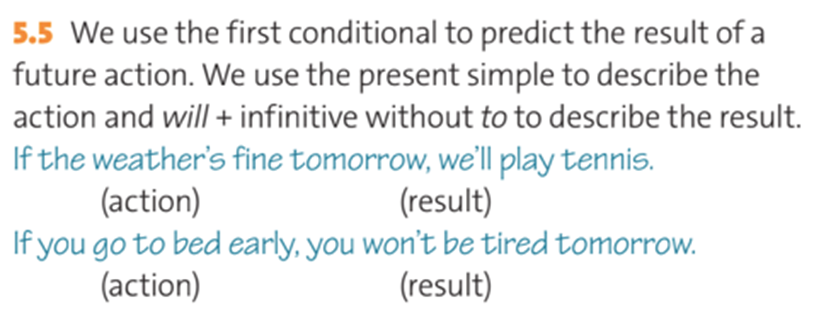
Ta dùng câu điều kiện loại 1 để dự đoán kết quả của một hành động trong tương lai. Chúng ta sử dụng thì hiện tại đơn để mô tả hành động và will + V nguyên thể để mô tả kết quả.

Nếu thời tiết đẹp vào ngày mai, chúng ta sẽ chơi quần vợt.

Nếu bạn đi ngủ sớm, bạn sẽ không bị mệt vào ngày mai.
CÂU HỎI HOT CÙNG CHỦ ĐỀ

Câu 1:

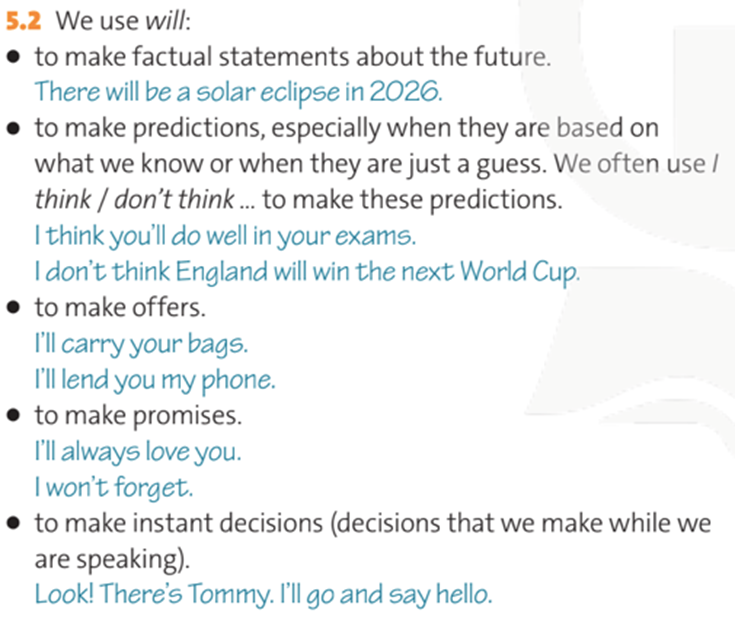
We use will: to make factual statements about the future. There will be a solar eclipse in 2026 (ảnh 1)

Xem đáp án » 17/06/2026 171

Câu 2:

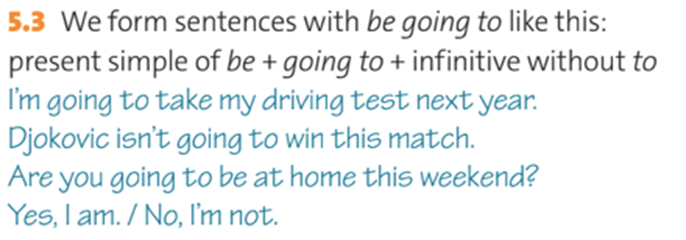
We form sentences with be going to like this: present simple of be + going to + infinitive without to I'm going to take my driving test  (ảnh 1)

Xem đáp án » 17/06/2026 151

Câu 3:

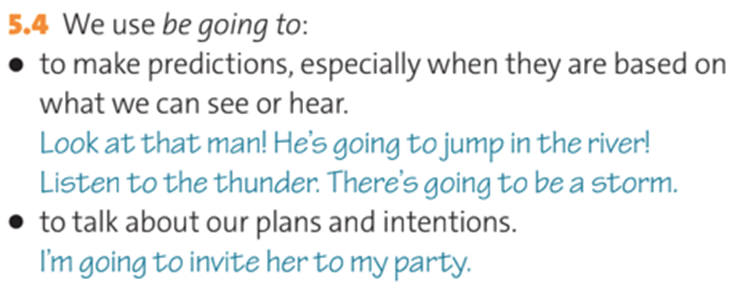
We use be going to: to make predictions, especially when they are based on what we can see or hear (ảnh 1)

Xem đáp án » 17/06/2026 150

Câu 4:

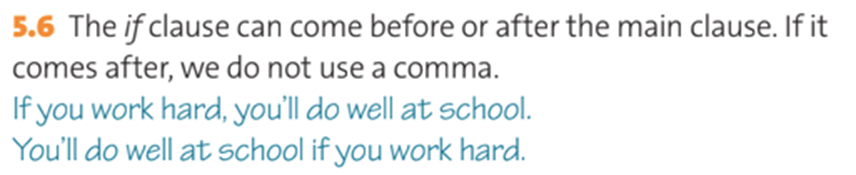
The if clause can come before or after the main clause. If it comes after, we do not use a comma. If you work hard, you'll do well at school. (ảnh 1)

Xem đáp án » 17/06/2026 142

Câu 5:

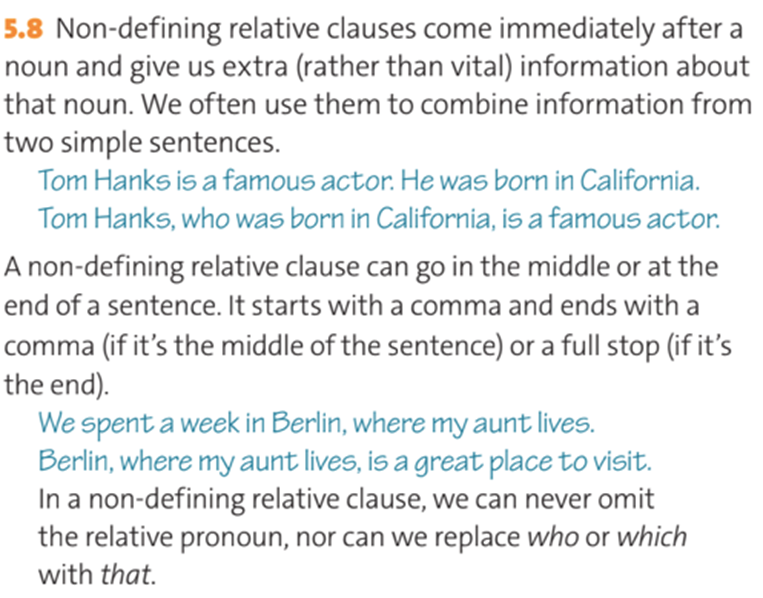
Non-defining relative clauses come immediately after a noun and give us extra (rather than vital) information about that noun. (ảnh 1)

Xem đáp án » 17/06/2026 139

Câu 6:

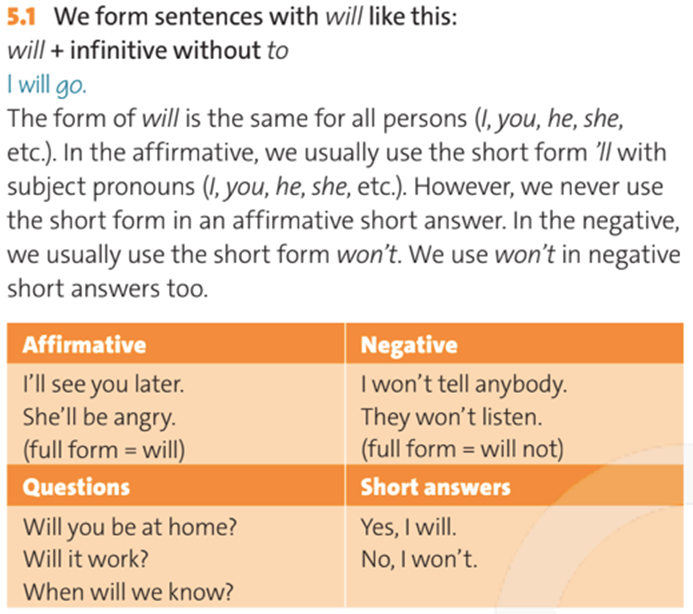
We form sentences with will like this will + infinitive  without to I will go The form of will is the same for all persons (I, you, he, she, etc.) (ảnh 1)

Xem đáp án » 17/06/2026 137

Câu 7:

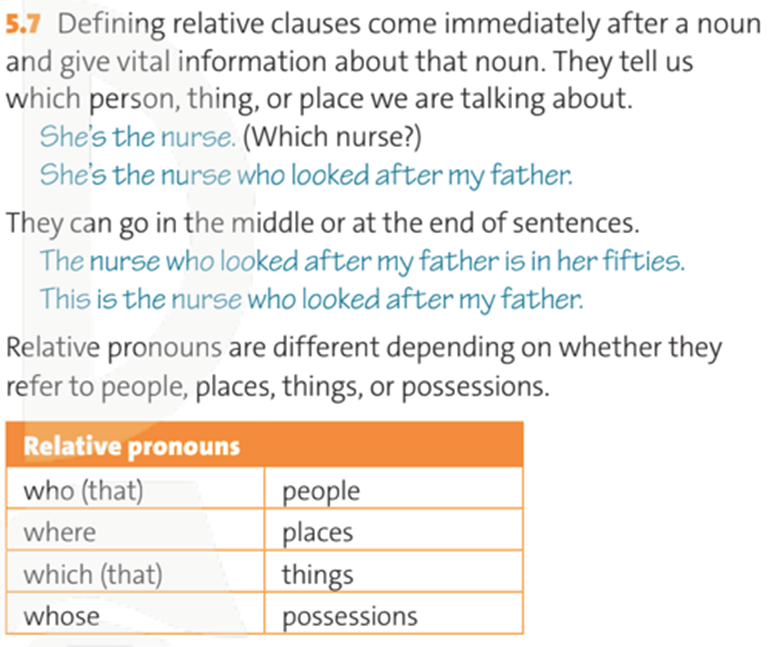
Defining relative clauses come immediately after a noun and give vital information about that noun. They tell us which person, thing, or place (ảnh 1)

Xem đáp án » 17/06/2026 130